Views: 69 Author: Site Editor Publish Time: 2025-12-29 Origin: Site
The increase in utility bills and growing focus on energy efficiency has prompted people to reconsider how they heat water in everyday settings.
Heat pump water heaters, which has become a very popular choice, promises significant energy savings by using heat from the surrounding air rather than generating heat directly. But its high upfront costs and specific installation requirements have led many to ask the question—are heat pump water heaters worth it?
In this article, we’ll discuss how heat pump water heaters work, their costs, key pros & cons, energy saving ability, and other reasons why they’re a worthy investment for you.
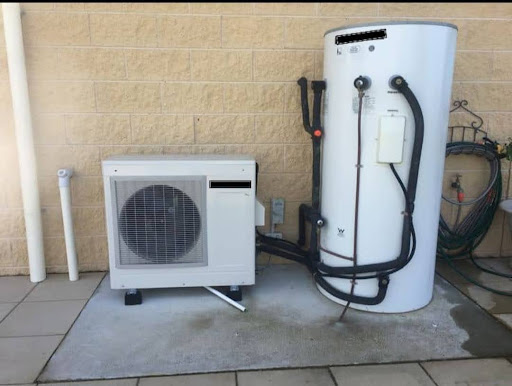
A heat pump water heater (HPWH) is an energy-efficient appliance that transfers heat from the environment into water stored in a tank instead of producing it directly with electricity or gas.
It works much like a refrigerator in reverse. It absorbs heat from the outside-air, concentrates it, and transfers it to water stored in a tank. Its main components include an EVAPORATOR or HEAT EXCHANGER, which absorbs heat from the surrounding air and warms the refrigerant, a COMPRESSOR, which pressurizes the refrigerant and raise its temperature, a CONDENSER, which transfers the heat from the refrigerant to the water, and a STORAGE TANK, which holds the heated water.
Together, these components allow HPWHs to use far less energy than traditional water heaters while still providing a steady supply of hot water.
Before answering the question, are heat pump hot water systems worth it, it’s important to weigh their key advantages and disadvantages.
High Energy Efficiency: HPWHs use heat from the surrounding rather than generate it. Hence, they consume up to 60% less electricity than conventional electric water heaters. This high efficiency translates into lower energy bills and operating cost.
Cost Savings: The low operating costs of HPWH results in substantial long-term savings, especially in households with high hot water demand. Over several years, these savings often offset your initial investment.
Environmental Benefits: HPWHs reduce greenhouse gas emissions, contributing to a smaller carbon footprint. So, they are a more sustainable choice for homeowners and businesses aiming to reduce energy consumption and support eco-friendly practices.
Rebates, Tax Credits, and Incentives: There are federal tax credits, states or regional rebates, and other incentives for installing energy-efficient appliances like the heat pump water heater. These programs can significantly reduce the cost of purchasing the heating system and improve the overall return on investment.
Long Lifespan: HPWHs generally last longer than conventional water heaters, often up to 15 years or more. Their durable design and efficient operation mean you will only carry out a few replacements over several years and spend less on long-term maintenance.
Higher Upfront and Installation Cost: One of the main drawbacks of HPWHs is the high cost of buying and installing it. This initial investment can be a barrier for some, even though it may be offset by long-term savings.
Space and Ventilation Requirements: HPWHs require sufficient space around the unit for air circulation and proper ventilation. This can make them challenging to install in small or enclosed areas like closets or tight basements.
Performance in Cold Climates: In colder environments, HPWHs may be less efficient because they rely on warm air. But as a proficient hot water heat pump manufacturer, we produce new models that are rated for low-temperature performance.
To clearly answer, are heat pump hot water heaters worth it? It's useful to compare them side by side with traditional water heaters.
Factors | Heat Pump Water Heater | Traditional Water Heater (Electric/Gas) |
How They Work | Transfer heat from surrounding air to heat water | Generate heat directly using electricity or gas |
Energy Efficiency | Very high, uses significantly less electricity | Lower efficiency due to direct heat generation |
Operating Costs | Lower monthly energy bills over time | Very high energy bill and operating costs |
Upfront Cost | Higher purchase and installation cost | Lower initial cost |
Installment Requirements | Need adequate space, airflow, and ventilation | Need adequate space |
Performance in Cold Climates | Efficiency can drop in cold environments | Consistent performance regardless of temperature |
Lifespan | Typically longer (10 to 15+ years) | Much shorter (8 to 12 years) |
Environmental Impact | Lower carbon emissions | Higher emissions, especially gas models |
Here is a comprehensive breakdown of what it costs to own and operate a heat pump water heater.

Heat pump water heaters typically cost more upfront than traditional models. For example, a homeowner replacing a 50-gallon standard electric heater with a 50–80-gallon HPWH will spend about $1,500–$3,000 depending on capacity and brand. However, this high initial cost reflects advanced technology and greater energy efficiency over time.
Heat pump water heater installation cost can add significantly to the total expense. Installing it in a garage with existing electrical infrastructure might cost around $800, while more complex installs (like moving the unit to a basement in need of ducting or additional drainage) costs $1,200–$1,500.
Some homes also need electrical upgrades to support the heat pump’s power demands. For instance, an old house might require a panel upgrade of $700–$1,500 or new wiring of $500–$900. These upgrades increase upfront costs but improve overall electrical capacity for future appliances as well.
Though it’s harder to quantify it as a “cost,” operating expenses are lower for HPWHs. A household that usually spends about $800/year on energy for a traditional electric heater might spend only $300–$500/year with a heat pump model. Over time, these savings make up for the high upfront costs.
Maintenance for HPWHs (like annual flushing and occasional filter service) averages $50–$150/year, comparable to traditional heaters. The real financial benefit of owning a HPWH comes from lifespan. It often lasts 10 to 15+ years, outlasting conventional units that average 8 to 12 years. This longevity can reduce component replacement frequency and long-term expenses.
Federal, state, and local rebates can significantly lower effective cost. For example, a homeowner eligible for a $300–$1,200 incentive may bring the net purchase price closer to that of a traditional heater while still benefiting from ongoing energy savings. HPWH owners often see this incentive boost as the answer to the question—are hybrid water heaters worth it?
The break-even point for a heat pump water heater depends on upfront costs, energy savings, usage patterns, and available incentives. On average, many users recover their high initial investment within 3 to 7 years. For example, if a unit costs $2,500 upfront but saves $300-$500 annually on energy bills, the system can pay for itself relatively quickly.
In higher-demand settings, such as apartment buildings, gyms, or restaurants using a commercial heat pump water heater, the breakeven period may be even shorter due to consistent hot water usage and greater energy savings. Incentives and rebates can shorten the timeline even further.
After reaching breakeven, the low operating cost of the appliance translates into long-term financial benefits for you over an extended lifespan.
Now that you know what is hot water heat pump and the wide range of benefits you stand to gain, the next thing is to decide if they are worth it for you.
Whether an HPWH is worth it or not depends on how and where you want to use it. HPWHs tend to deliver the most value in settings with high hot water demand, such as large households, shared living spaces, or commercial environments, where energy savings add up quickly. They also perform best when installed in warm or well-ventilated areas like garages or utility rooms, where they can easily draw heat from the surrounding air.
So, if you can handle a high upfront cost and plan to stay in the same property long enough to reach the breakeven point, the long-term savings and steady hot water supply justifies the investment.
So, are heat pump water heaters worth it? For many users, the answer is yes—especially where energy efficiency, long-term savings, and environmental impact matter.
While the upfront cost is higher, lower operating expenses, available incentives, and longer lifespan often make them a smart investment. Their end-value however depends on climate, available space, and usage patterns.
Here are clear answers to frequently asked questions on whether or not heat pump water heaters are worth it.
Yes, they are worth it when installed in insulated or indoor spaces. Cold temperatures may reduce efficiency, but modern models often include backup heating to maintain reliable performance.
Most heat pump water heaters last between 12 to 15 years or longer with proper maintenance, often outlasting traditional water heaters and reducing the need for frequent replacements.
Yes, they typically save money by using significantly less electricity. The resulting lower energy bills and available incentives can offset its high upfront cost and deliver long-term savings.