Views: 161 Author: Site Editor Publish Time: 2026-02-11 Origin: Site
Keeping your home warm in extremely cold weather can be challenging. As temperatures drop below the freezing point, many heating systems struggle to extract enough heat from outdoor air, leading to reduced efficiency and higher energy use. Older heat pumps often rely on backup heaters, which will increase your energy bills. Thankfully, modern technology has changed this reality.
Newer models (cold-climate rated) use variable-speed compressor, enhanced vapor injection, and optimized refrigerants to keep the home warm, even in sub-zero weather. They are reliable, efficient, and retain their heating capacity regardless of harsh winter.

In this article, we will explore the 10 best heat pumps for cold climates, how they work, and their key features.
Heat pumps work by transferring heat rather than generating it. Even in cold weather, they are still able to absorb heat from the outdoor air, ground, and water. The heat pump absorbs this energy through a specialized refrigerant (one with a low melting point), compresses it to raise the temperature, and transfers the heat indoors.
In cold climates, advanced features like variable-speed compressor, enhanced vapor injection, and automatic defrosting help modern heat pumps maintain heating capacity. As a result, they can provide consistent heating performance when outdoor conditions drop well below freezing.
Minimum Operating Temperature: This rating indicates the lowest outdoor temperature at which the heat pump can continue operating in heating mode. It is a critical specification for evaluating suitability in regions with prolonged freezing or sub-zero winter conditions. Cold-climate models are specifically engineered to run at -13oF (-25oC) or below without shutting down.
Heating Capacity Retention at Low Temperatures: Capacity retention refers to how much of the unit’s heating output is maintained as outdoor temperature drops. Higher retention percentages indicate stronger low-ambient heating capacity and more stable output during extreme winter.
Coefficient of Performance (COP) in Cold Conditions: COP measures how efficiently a heat pump converts electricity into heat. In freezing conditions, COP naturally drops as the outdoor temperature drop too. So, the most efficient heating system for cold climates are units with high COP in sub-zero conditions.
Variable-Speed Compressors: This technology helps heat pumps to adjust output continuously (based on heating demand) instead of operating in fixed on/off cycles. In cold climates, this modulation supports stable operation, controlled capacity delivery, and optimized defrost management—key functional traits found in the best heating systems for cold climates.
Specialized Refrigerants: The type of refrigerant affects heat pump’s performance in low temperatures. Certain refrigerants, like the R-410A, R-32, and CO2, maintain efficient heat transfer even in sub-zero conditions. Choosing a unit with a cold-climate optimized refrigerant ensures reliable heating when outdoor temperature is very low.
Enhanced Vapor Injection (EVI) Technology: A critical feature that injects additional refrigerants into the compressor, significantly increasing heating capacity and efficiency in extremely low temperatures. An EVI low-temperature heat pump delivers more consistent warmth and stable operation in harsh winter.
Cold-Weather Defrost and Crankcase Heaters: Defrost and crankcase heaters prevent frost buildup on the outdoor coil and protect the compressor during extreme cold. They help the heat pump maintain stable performance and prevent mechanical strain in freezing climates.
Discover the best heat pumps for cold climates as we highlight the top 10 models excelling in efficiency and reliability.
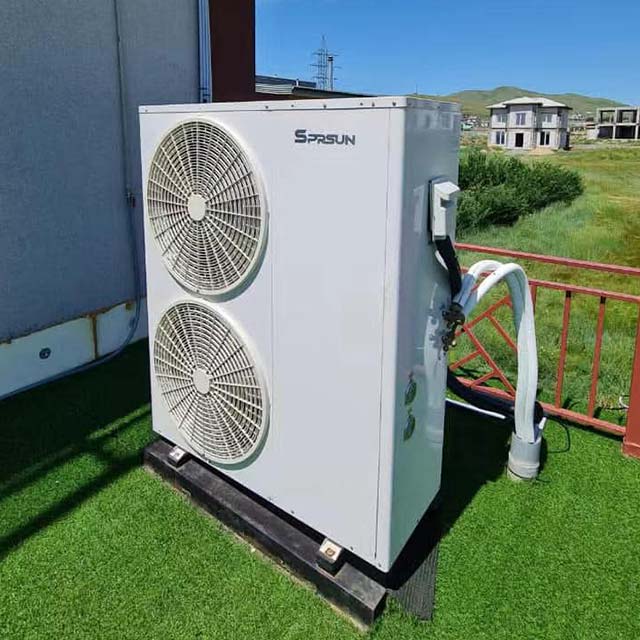
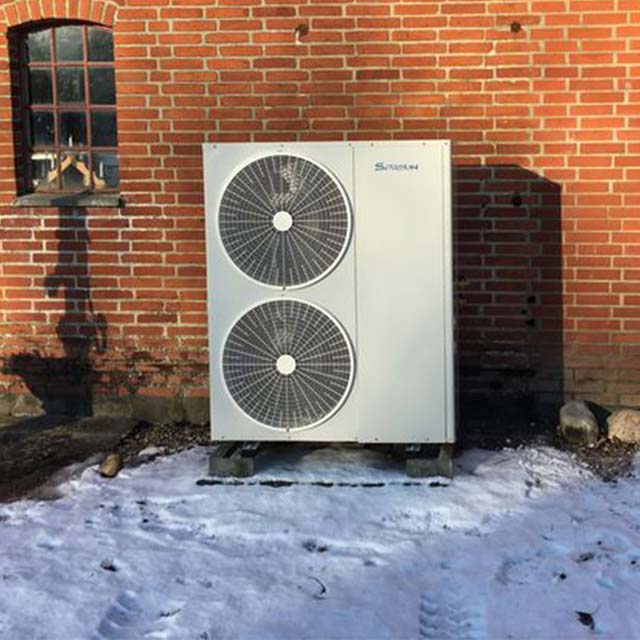
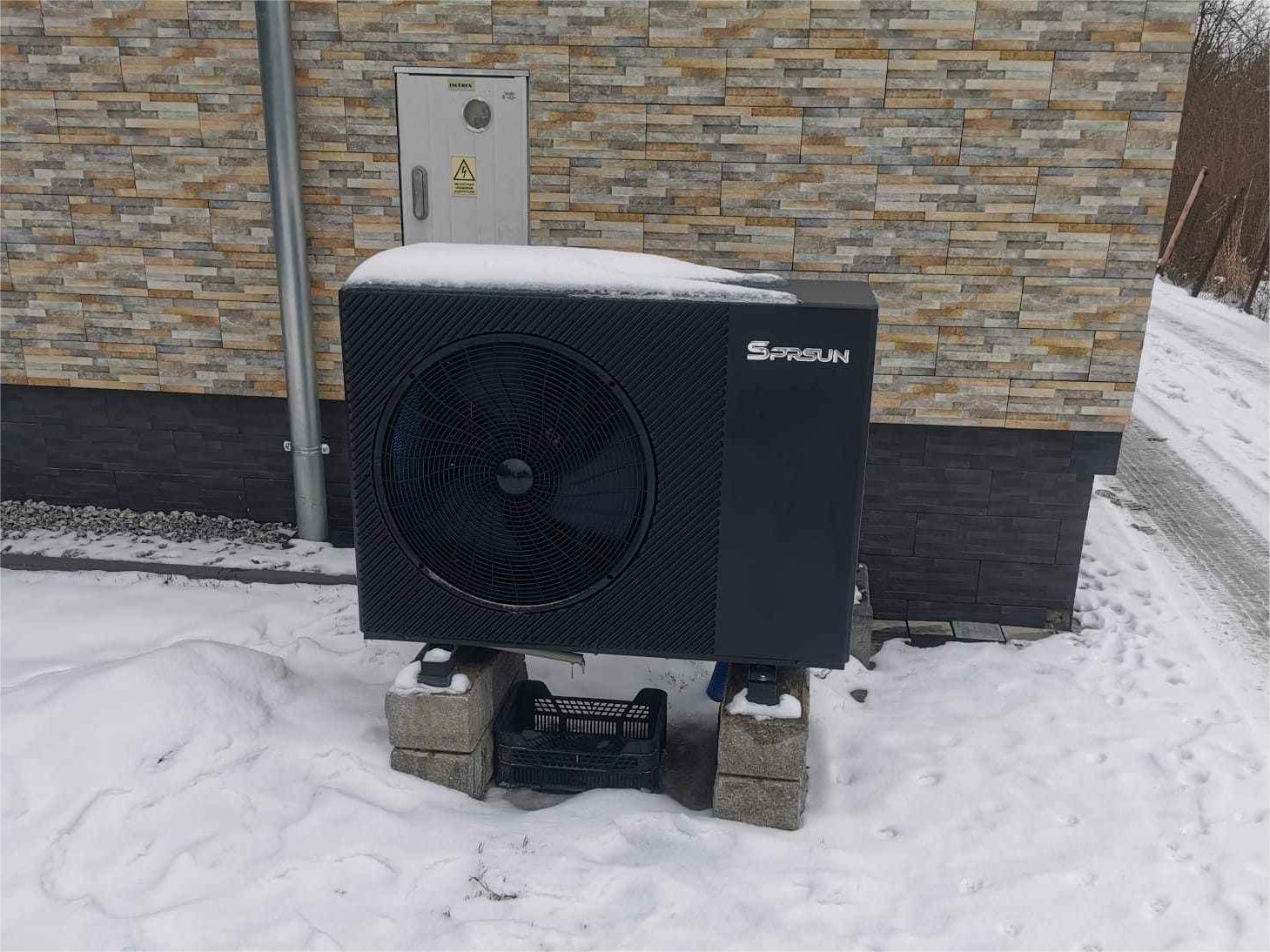
The SPRSUN R290 heat pump is a highly efficient and eco-friendly heating system. Using natural R290 refrigerant, this heat pump has no negative impact on the environment and can save up to 80% on energy bills. Its smart CAREL intelligent control system lets you monitor energy use, control settings from your phone, and automatically defrost when needed, so you never have to worry about performance in cold weather.

The heat pump adopts DC frequency conversion technology to improve low-temperature heating capacity. In fact, its heating capacity is 30% higher than traditional heat pumps in cold climates. By combining the R290 natural refrigerant with this inverter heating technology, the unit can operate at -25oC and below, maintaining high COP and reliable stability. Hence, it is considered the best air-source heat pump for cold climates.
Mitsubishi Hyper-Heating (H2i) heat pumps are built to keep your home warm even in extreme cold. Standard H2i units maintain 100% heating at 5oF, while H2i Plus models keep 100% capacity down to -5oF, with some operating as low as -13oF. Its inverter-driven technology allows the compressor to modulate speeds, using less energy than traditional on/off systems, while a flash injection technology ensures the compressor works efficiently in freezing temperatures.

Comfort features like “hot start” prevent cold drafts by waiting for the heat exchanger to warm up before MM the fan engages. The Hyper-Heating H2i heat pump is suitable for both single-zone and multi-zone applications, making it one of the best mini split for cold climates in regions like Canada.
The EVI low-temperature heat pump is built to deliver fast & reliable heating even in extreme cold. It starts in high-speed mode to warm your space quickly and maintains the desired temperature afterward, while keeping running costs low. With an A+++ ERP efficiency, this heating system uses less electricity than traditional heat pumps and has a COP up to 5.89. The eco-friendly R32 refrigerant also reduces carbon emissions, making the system greener.

This heat pump is designed for comfort and durability. Its features include quiet operation (as low as 49 dBA), smart app control, and an easy touch-screen display. Also, it uses Intelligent defrosting to prevent ice buildup and has multiple safety protections to improve reliability. Powered by Panasonic EVI compressor technology, it operates efficiently in temperatures from −30°C to 45°C, making it the best heat pump for cold weather.
The Infinity Variable-Speed heat pump is built to deliver comfort in even the harshest winters. Its variable-speed compressor adjusts between 30% and 100% capacity, giving your home the heating and cooling it needs. This means steady temperatures, lower energy use, and quieter operations. The system can heat efficiently in temperatures as low as -23oF and cool even in extreme summer heat.
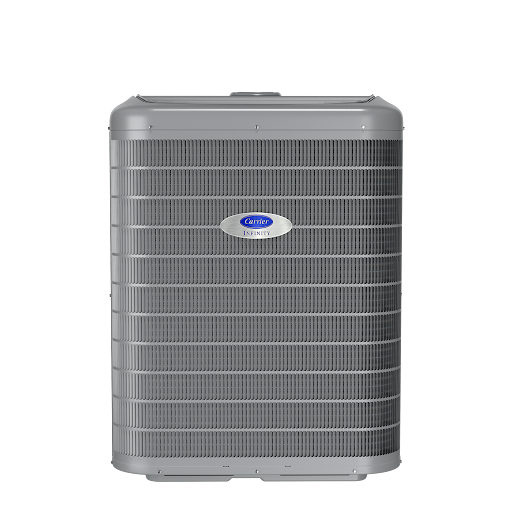
You also get smart features like over-the-air updates, remote system monitoring, and a Quiet Mode to limit its sound level. Its advanced defrost technology, strong humidity control, specialized Puron Advance refrigerant, and durable constructions makes it one of the best cold climate air source heat pump.
Like others outlined above, Daikin’s Aurora series is designed to keep your home warm when temperatures drop to the extremes. It maintains full heating capacity at 0oF and continues to operate in conditions as low as -13oF. You can either choose wall-mounted, floor-mounted, single-zone, or multi-zone setups, giving you flexible installation options to suit your space.
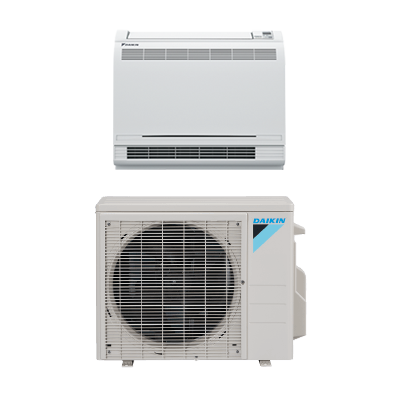
The Aurora series delivers high efficiency with up to 21-SEER2, 12.2-EER2, and 10.5-HSPF2 ratings. It utilizes R-32 refrigerant for lower environmental impact and inverter technology for precise temperature control. These features make it one of the most efficient heat pumps for cold weather.
Fujitsu Extra Low Temperature Heating (XLTH) series features outdoor condensing units engineered to operate in temperatures down to -15oC. These outdoor units also come with base drainage holes, a large heat exchanger, and a high-capacity compressor.
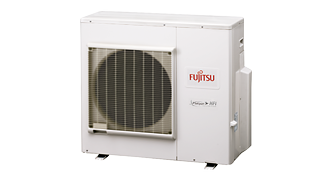
The XLTH difference lies in its cold-climate durability and protective design. Unlike other models that use plastic fan guards, XLTH units feature a metal fan guard built to withstand harsh cold climates. When temperatures drop to 36oF, a built-in base heater warms the outdoor unit’s base, preventing condensates from freezing—an issue that could otherwise damage the fan blade or condenser and reduce system performance.
The Lennox SL25XPV heat pump is built to give you steady, precise comfort all-year round. Its Precise Comfort® technology adjusts heating and cooling in tiny increments, so your home stays at the exact temperature you like without wasting energy. An exclusive Quantum Coil is added to handle harsh weather and keep the system running efficiently for years.
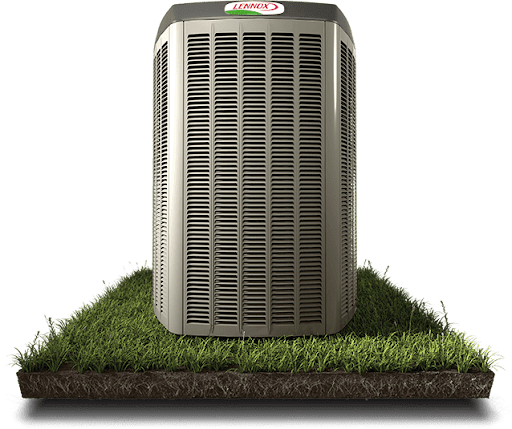
This heat pump is also impressively quiet. The variable-capacity compressor runs mostly at low speeds, while a sound-dampening system reduces outdoor noise. Paired with the iComfort® s30 smart thermostat, the system can self-adjust, save energy when you’re away, and stay connected for easier monitoring.
Designed for cold climates, these ductless mini-split systems can operate in temperatures as low as -22oF. They utilize inverter technology to adjust performance automatically and maintain comfort while using less energy. With efficiency ratings reaching up to 26.4 SEER2, you get sufficient heating and up to 300% efficiency without skyrocketing energy bills.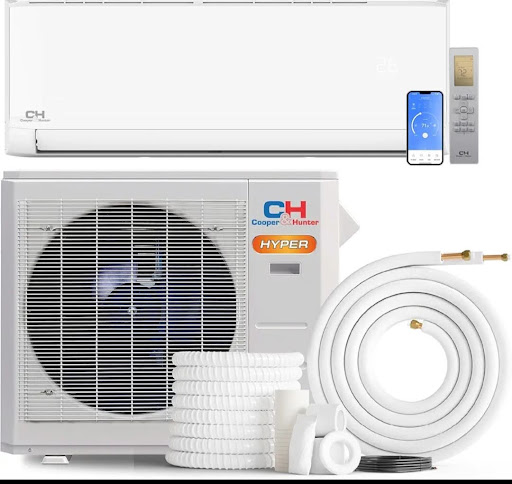
You can choose single-zone or multi-zone setups, with several indoor unit styles to match your space. The heat pump also has wireless smart kits and remote controls for precise, convenient temperature, fan, and mode adjustments. All these make it a strong contender for the best ductless mini split for cold climate homes.
The LG THERMA V is a smart, energy-efficient heating system that keeps your home warm, cool, and supplied with hot water all year. Using 80% outside air and 20% electricity, it achieves up to A+++ energy ratings and works in temperatures as low as -25oC or -28oC. It utilizes the Revolutionary R1 compressor for improved efficiency and is compatible with the LG ThinQ app for remote monitoring & scheduling.
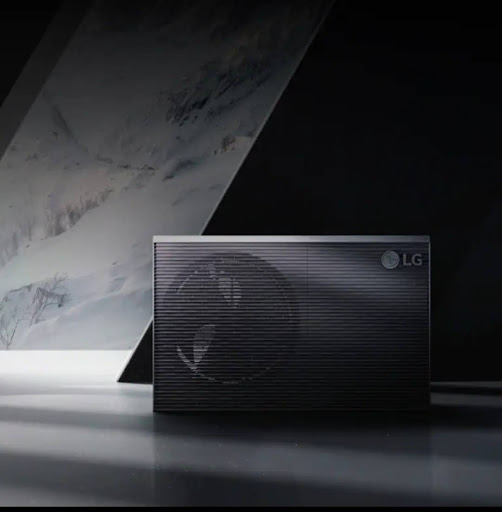
This air source heat pump comes in monobloc and split system options to suit different installations. It is designed with noise reduction technology, features a Black Fin heat exchanger for corrosion resistance, and is suitable for various applications (underfloor heating and domestic hot water).
The Bosch IDS Ultra heat pump delivers 100% heating capacity down to an outdoor temperature of 5oF and continues to initiate heating even down to -13oF. Powered by Bosch inverter technology, it adjusts output automatically to maintain steady comfort while using less energy. With efficiency ratings up to 19 SEER2 and 10 HSPF2, it’s built for performance and savings.
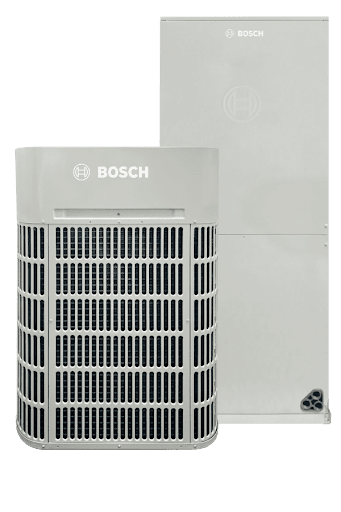
An enhanced vapor injection compressor boosts its heating power in extreme cold, while eco-friendly R-453B refrigerant lowers environmental impact. The heating unit also passed the U.S DOE Residential Cold Climate Heat Pump Challenge, proving its reliability, efficiency, and suitability for retrofits or new installations.
Cold-climate heat pumps are a great fit if you live or work in areas with long, freezing winters and want reliable, energy-efficient heating. They help you cut energy bills, reduce carbon emissions, and keep indoor spaces consistently comfortable without depending heavily on backup heaters.
When choosing the best heat pumps for cold climates, focus on low-temperature performance, inverter technology, energy ratings, and smart controls. The right system will last longer, run quieter, and deliver reliable warmth year-round.
Before making a final decision, here are answers to common questions about cold-climate heat pump’s performance, reliability, and long-term value you should know:
Yes, modern cold-climate heat pumps are designed to work efficiently below freezing. Advanced compressors and refrigerants allow them to extract heat from outdoor air even in sub-zero temperatures.
Cold-climate models like the SPRSUN R290 DC inverter heat pump are built for harsh winters. With inverter technology, enhanced vapor injection, and smart defrost systems, they deliver steady, dependable heating even during extreme cold snaps.
Backup heat may be needed during extreme temperature drops or peak demand. It supports the heat pump, ensuring indoor comfort when outdoor conditions temporarily exceed system capacity.
Most cold-climate heat pumps last 15-20 years with proper maintenance. Regular servicing, clean filters, and professional inspections help extend lifespan and keep performance at its best.
Looking for the best heat pump for cold climates? Explore high-efficiency systems designed to deliver reliable heating even in extreme winter conditions.