Views: 224 Author: Site Editor Publish Time: 2025-12-29 Origin: Site
Nothing limits pool enjoyment more than cold water. Whether it’s a residential backyard pool or a commercial facility, the water temperature directly affects comfort and how often the pool will be used. This is why understanding how to heat a swimming pool fast matters.
From advanced heating technologies to simple heat-retention strategies, the right approach can dramatically reduce your pool’s warm-up time while keeping operating costs under control.

In this article, we’ll explain practical ways to warm pool water quickly, highlight the factors that affect heating speed, as well as compare different heating and heat retention options.
Before choosing any heating method, it’s important to set realistic expectations about warm-up time—which depends largely on size and structure.
Small pools (under 10,000 gallons) heat faster because they contain less water, often gaining several degrees (5-10oF) in a single day. Large pools (over 20,000 gallons), on the other hand, require more energy and time. They sometimes take 3-5 days to achieve the same increase.
Above-ground pools typically warm faster, often reaching a 5-10oF rise in a single day, since they’re more exposed to air, temperature, and sunlight. But in-ground pools, which are surrounded by cooler soil, lose heat more quickly and usually take longer (3-4 days) for similar warming.
Knowing how to heat pool water fast can make a huge difference in your pool enjoyment. Here’s a detailed look at the most effective methods.
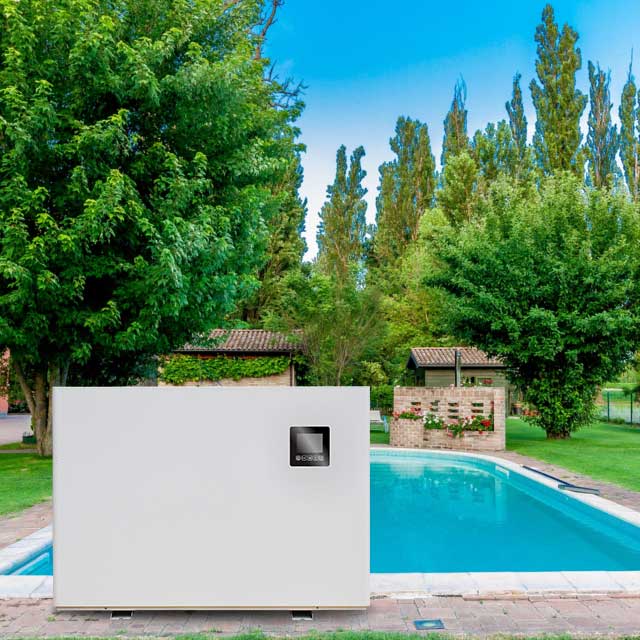
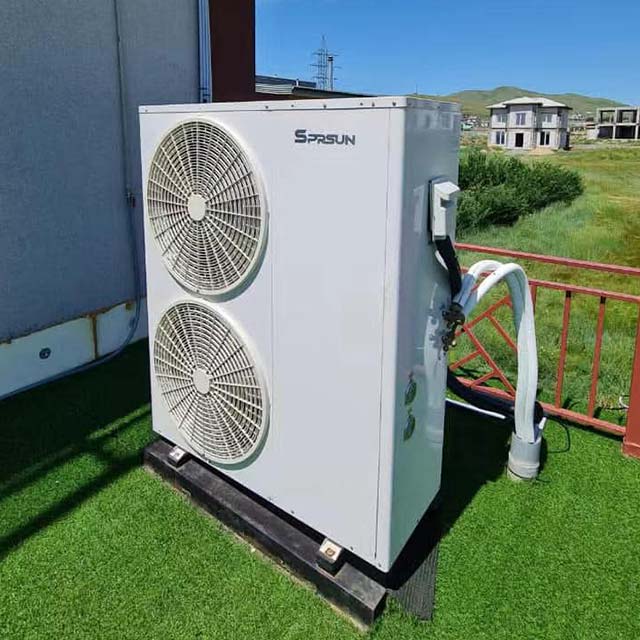
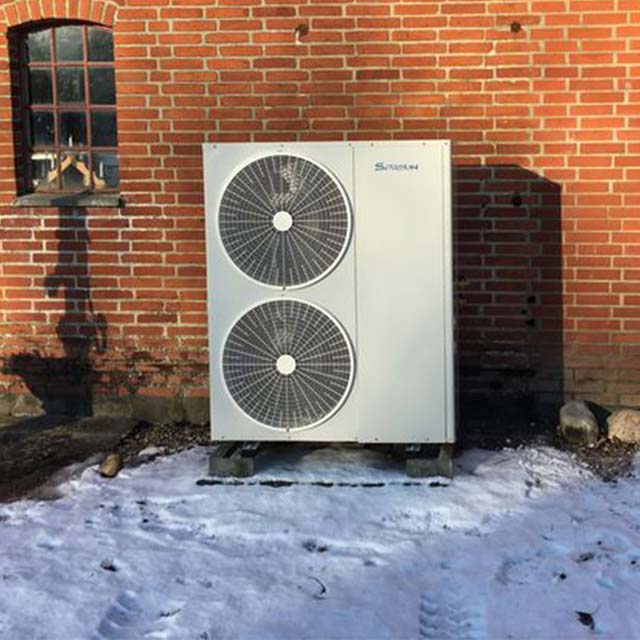
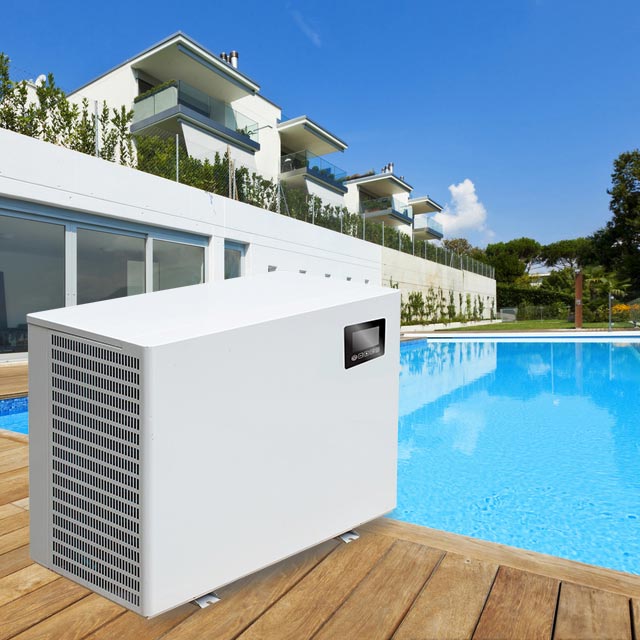
Heat pumps work by transferring heat from surrounding air into the pool water, rather than generating it directly. They are extremely energy-efficient, especially in moderate climates, and they provide a steady & reliable temperature increase.

On average, a standard heat pump can raise pool water by 1–2°F per hour, depending on air temperature and pool size. While not as fast as gas heaters, heat pumps are perfect for those learning how to heat a swimming pool fast without incurring high fuel costs or constant monitoring.
Gas pool heaters burn natural gas or propane to heat pool water directly and are the fastest option. They can raise water temperature by 10–20°F in just a few hours which is why they are ideal for last-minute heating or events requiring quick temperature changes. For example, a gas heater can raise the water temperature of a hotel swimming pool from 68°F to a comfortable 82°F in two hours, in preparation to host some afternoon guests after a cool morning.

However, they are less energy-efficient than heat pumps and can lead to higher operating costs, making them better suited for occasional fast heating than continuous use.
Electric resistance heaters generate heat through electric elements immersed in the water. They are slower than gas heaters but provide steady and precise temperature control. Typically, they increase water temperature by 2–5°F per hour depending on pool volume and structure. So, it may take a full day to increase the water temperature of a 12,000-gallon, in-ground pool for comfortable swimming.

Electric pool heaters are easy to install and maintain but can have higher operating costs, especially for large pools or rapid heating needs. This makes them more suited for moderate, consistent heating rather than rapid warming.
Solar pool heaters capture the sun’s energy and use it to gradually warm pool water. While being extremely energy-efficient and eco-friendly, solar heaters rely heavily on sunlight intensity and are slower than other options. On a bright summer day, a 20,000-gallon pool in equipped with solar panels can gain about 8–12°F over six hours. However, cloudy days or winter months slow the heating process considerably.

Solar systems are excellent for maintaining warmth and reducing energy bills, but anyone looking for immediate heating should consider other methods.
Heat pumps offer several compelling benefits that make them the ideal option for quick pool heating. They include;
Rapid Heating with Lower Energy Use: Heat pumps operate with a high coefficient of performance (CoP), meaning they deliver more heat energy than the electricity they consume. This efficiency allows them to transfer heat quickly while using less energy than traditional electric or gas pool heaters, making it easier to figure out how to heat up a pool fast.
Stable & Comfortable Water Temperatures: Unlike conventional pool heaters that cycle on and off, heat pumps maintain consistent water temperatures. This stability ensures that your pool remains ideal for frequent use, providing comfort for family activities, showers, laundry, or cooking.
Day-and-Night Performance: Heat pumps do not rely on sunlight like solar pool heaters. They can operate effectively during cloudy days, nighttime, or winter months, delivering reliable hot water whenever needed. This consistent performance ensures convenience and peace of mind, easily answering the question—are inverter pool heat pump worthy?
Environmentally Responsible Heating: By using less electricity and generating lesser emissions, heat pumps are more eco-friendly. They integrate easily with renewable energy sources like solar panels, further reducing carbon footprints. So, choosing a heat pump is an act of supporting sustainable living without compromising on comfort or efficiency.
Pool Size and Water Volume: The larger the pool, the more water it contains and the longer it takes to heat. Small pools warm up faster because less energy is needed to raise the temperature. So, you’re expected to understand your pool volume before going in search of how to quickly warm a pool.
Outdoor Temperature and Sunlight: Warm outdoor temperatures and strong sunlight naturally speed up pool heating by adding free heat and reducing losses. But cooler air slows the process because more heat escapes from the water.
Wind Exposure and Evaporation: Wind accelerates evaporation (which is the primary cause of heat loss in pools), slowing the warming of the pool. Hence, windy locations often require more heating time, especially when you’re in search of how to heat an above ground pool quickly without proper wind protection.
Pool Depth and Surface Area: Shallow pools heat faster because they contain less water, while deeper pools take longer to warm evenly. Also, a larger surface area increases heat loss to the air and influences how quickly temperature changes occur.
Heater Capacity (BTUs/kW) and Efficiency: Pool heaters with higher BTU or kW ratings raise water temperature faster, while efficiency affects energy use. For example, a commercial pool heat pump delivers more heat per unit of electricity through its high COP rating, which is why it’s the preferred choice for demanding setups like hotels.
With these factors in mind, it becomes easier to understand why pool heating speed can differ significantly from one setup and environment to another.
Here are some practices you can implement to improve your pool’s heat-retention ability.
Pool covers trap heat from the sun and significantly reduce heat loss through evaporation. Solar pool covers, for example, work during the day to collect warmth and are equally important at night to retain it.
Natural sunlight plays a major role in warming pool water. That’s why the best heating occurs between late morning and mid-afternoon when the sun is strongest. Removing shade and repositioning the pool cover is the simple solution for how to warm pool water quickly.
Preventing heat loss is just as important as heating your pool. Practices like covering the pool overnight helps retain warmth, while installing wind barriers reduces cooling from evaporation. Limiting nighttime swimming also prevents temperature drops, keeping the pool comfortably warm for longer periods.
Heat pump pool heaters stand out as the fastest practical solution for long-term pool heating, particularly when you’re in search of how to heat a swimming pool fast without excessive energy use. They deliver consistent warmth, maintain comfortable water temperatures, and operate efficiently across varying weather conditions.
For the best results, consult a trusted pool heat pump manufacturer and choose a system that matches your pool size, climate, and usage needs.
The cost of heating pool water varies by method. Heat pumps and solar heaters are low-cost with minimal operating expense, while gas heaters have higher fuel costs.
No, it is not. Overly warm pool-water poses serious health risks to swimmers and can cause issues to your pool’s equipment and chemical balance. Most pools are comfortable for swimming at 78–82°F (25–28°C).
Not really. Adding hot water can slightly raise the temperature in small pools, but its inefficient, costly, and impractical for large pools.
A pool heats fastest between late morning and mid-afternoon (approximately 11 AM to 4 PM), when sunlight is strongest and air temperatures are highest.