Views: 41 Author: Site Editor Publish Time: 2026-03-24 Origin: Site
Proper venting is an important consideration for most water heating systems. Traditional water heaters rely on vents to safely expel harmful gases (like carbon monoxide, nitrogen oxides, and carbon monoxide), produced during heating. However, venting can increase installation costs, require extra space, cause energy loss, pose safety risks, and affect the aesthetics of your home.
In the advent of heat pump water heaters (HPWHs) and their growing popularity as energy-efficient alternatives, the question many homeowners now ask is—do heat pump water heaters need to be vented also?
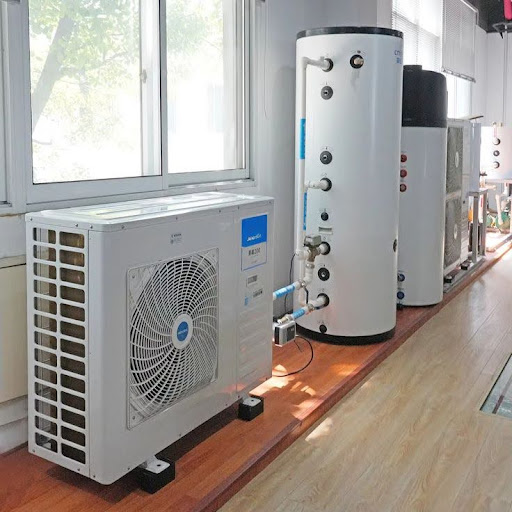
This article explores whether heat pump water heater venting is necessary, what sets HPWHs apart from traditional units, and what homeowners should consider when installing one.
Conventional water heaters, particularly those that use gas or propane as fuel, generate heat through combustion during which they produce harmful gases. Without proper venting, these gases get accumulated inside the home, posing serious health risks to everyone inside (including family members and pets).
Venting helps to safely channel these combustion byproducts (harmful gases) outside the home and keep indoor air clean. It prevents the buildup of carbon monoxide (a colorless & odorless gas that could be fatal even in small amounts) and buildup of excess heat or pressure inside the system. Thereby, enabling the water heater run safely & efficiently.
The vents must be correctly sized, positioned, and unobstructed to allow adequate expulsion of these gases. Hence, homeowners are advised to strictly follow installation guidelines provided by the HPWH manufacturer and adhere to other local building codes. Neglecting venting can compromise both the safety of occupants and the lifespan of the heater.

Heat pump water heaters (also referred to as Hybrid Electric water heaters), use a different heating method from traditional units, hence the question—does a hybrid water heater need to be vented?
The answer is NO and here are some of the reasons why:
They Operate Using Electricity and Heat Transfer: Heat pump water heaters use electricity to transfer heat from surrounding air into your water tank. A process that doesn’t involve combustion or release of harmful gases.
No Fuel Combustion: Unlike traditional gas or propane water heaters, heat pump water heaters do not burn gas, propane, or oil to heat water. This means there is no production of combustion byproducts that would normally require a venting system.
No Exhaust Gases: Since no fuel is burned, heat pump water heaters do not generate exhaust gases, such as carbon monoxide or nitrogen oxides. This eliminates the need for vents and ensures safer indoor air quality.
These are some of the advantages of not venting heat pump water heaters:
1. Easier Installation:
HPWH systems are simpler and faster to install since there is no need for complex venting. The absence of vent pipes or chimneys also makes them much more convenient and less intrusive than traditional models.
2. Lower Installation Costs:
The average cost to install venting for a gas water heater ranges from $300 to $1,500. Not needing to do it when installing a HPWH means you’ll spend less money. This does not only make HPWHs more cost-effective, but also answers the question—are heat pump water heaters worth it?
3. Greater Flexibility in Placement:
Traditional water heaters have limited placement options because their exhaust vents must run straight outdoors through a short, direct path. HPWHs, on the other hand, don’t rely on exhaust vents, so they can be installed in more areas of the home. This makes placement more flexible and convenient.
4. Improved Safety Compared to Combustion Water Heaters:
Heat pump water heaters don’t burn fuel to create heat. Instead, they pull warmth from the surrounding air to heat water. Because of this, they don’t produce carbon monoxide or other harmful gases, making them a safer option for maintaining healthier indoor air.
Here are a few simple tips that will help you get your HPWH installation right:
Choose a spot with plenty of airflow. Heat pump water heaters work by pulling heat from the surrounding air, so they perform best in open, well-ventilated spaces. Proper hot water heater ventilation helps the unit run efficiently, prevents overheating, and keeps your system working reliably for years.
Give the heat pump water heater enough space around it. The extra room makes maintenance, cleaning, and inspections much easier. It also allows proper airflow, which helps the system transfer heat efficiently and run at its best.
Install the heat pump water heater on a level surface. Place a drain pan underneath and ensure it’s connected to proper plumbing to handle condensation or possible leaks. This helps prevent water damage, protects your floors, and makes routine cleaning and maintenance easier.
Follow the guidelines provided by a trusted heat pump water heater manufacturer and comply with local building codes. This ensures safe & efficient installation of the unit, protects your warranty, and allows the system to perform the way it’s designed to.
Unlike traditional water heaters, venting heat pump water heaters is not necessary since they do not burn fuels and inferably don’t produce combustion byproducts that need to be expelled through vents. This makes them safer, cheaper, and simpler to install than traditional units.
However, ensuring proper airflow, spacing, and drainage is still crucial for optimal performance and longevity. So, make sure you carefully review the manufacturer’s specifications before installation to guarantee safety, efficiency, and reliable operation.
Here are some frequently asked questions about heat pump water heater installation, placement, and operation.
Electric water heaters do not burn fuel, so they do not produce exhaust gases. Therefore, unlike gas units, they do not require any venting for safe operation.
Installing a heat pump water heater in tight closets or enclosed areas can limit airflow and reduce efficiency. Solutions include providing necessary ducting or placing the unit in a garage, basement, or utility room with better ventilation.
Most models need around 700-1,000 cubic feet of air space. Using open or louvered doors in small utility closets also help to maintain adequate ventilation and performance.
The best heat pump hot water heaters like the SPRSUN R290 AquaHero series are super quiet, often operating at decibels lower than typical household appliances.