Views: 171 Author: Site Editor Publish Time: 2026-03-25 Origin: Site
Water heaters work quietly in the background, supplying hot water for everyday tasks like showers, laundry, and dishwashing. While doing this, they produce harmful gases such as carbon monoxide, which must be safely released outdoors to protect occupants and pets from serious health risks.
Proper venting helps to remove these harmful gases and keep the unit running efficiently. Therefore, understanding basic water heater venting requirements can be the thin line that ensures both performance and safety.

In this guide, we will elaborate on the importance of water heater venting, the common types of vent, and practical steps to ensure the water heater system works properly.
When water heaters burn fuel to heat water, they release byproducts such as carbon monoxide, moisture, and other gases that must be carried outdoors. Venting helps to safely carry these combustion byproducts out of the home. It is an important detail in hot water heater design because it prevents these gases from accumulating indoors and causing several health hazards.
Many people confuse venting with ventilation. Venting helps to remove combustion gases from appliances, while ventilation simply moves fresh air through a space.
Water heaters are usually compared against one another, especially when a customer wants to make an informed decision. And venting is one of the factors that can be used to differentiate heat pump water heater vs. electric vs. gas.

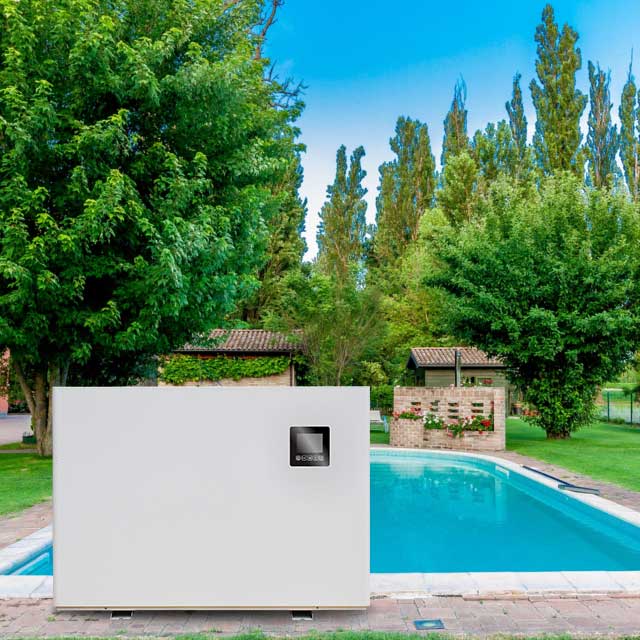
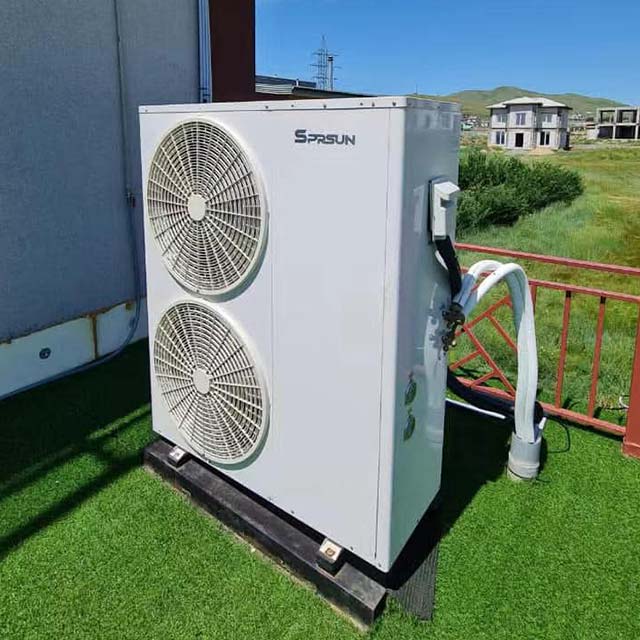
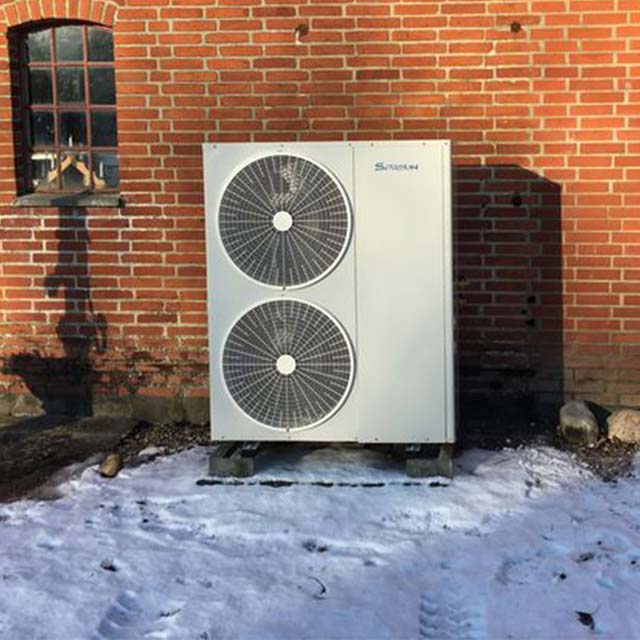
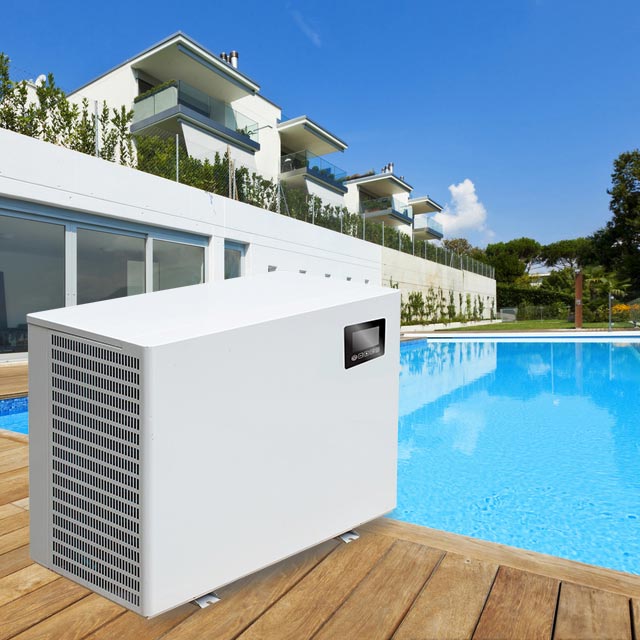
Heat pump water heaters transfer heat from surrounding air to stored water, operating without combustion. Since they don’t produce exhaust gases, venting isn’t needed. So, are heat pump water heaters worth it? Yes. Since there's no need for venting, the overall installation and energy cost is reduced.
The electric water heater design allows it to generate heat without combustion. Instead, it generates heat using internal electric heating elements that warm water directly without producing harmful gases as byproducts. So, if you’re wondering, do electric hot water heaters need to be vented? Well, no venting is required.
These heaters burn natural gas or propane to produce heat, during which they release combustion byproducts like carbon monoxide that must be safely expelled from the home. Gas water heater venting directs these harmful byproducts outside, preventing indoor air hazards and ensuring efficient operation.

Atmospheric venting is the most common method of how to vent gas water heater. This venting system relies on natural upward airflow to carry combustion gases through a vertical chimney or flue. It is simple, reliable, and doesn’t require fans or blowers, just vertical flue/chimney and significant vertical rise to ensure proper drafting.

Power venting uses an electric fan or blower to force exhaust gases out through a wall or horizontal vent. This system is ideal when a vertical chimney isn’t available or practical. It lets you install your water heater almost anywhere in your home and is perfect for modern homes that don’t have traditional chimneys.

Direct vent systems pull air for combustion directly from outside the home and vent exhaust gases back outside via sealed piping. It typically uses coaxial (one-inside-the-other) venting and its sealed design prevents air contamination, reducing safety risks. Direct venting is best for small spaces, closets, or areas where indoor air quality is a concern.

Power direct vent systems combine sealed combustion with a powered fan to move exhaust gases efficiently. These systems are often used in modern, high-efficiency water heaters, allowing flexible venting options and preventing indoor air exposure. It requires both electricity and a sealed-joint piping system.
Alt Text: Power Direct Vent Systems
Here is a list of tools and materials needed to vent a water heater:
Vent pipes (galvanized steel, aluminum, or PVC depending on heater type)
Pipe cutter or hacksaw
Draft hood
Vent elbows and pipe connectors
Roof flashing or wall vent cap for exterior termination
Drill with bits
High temperature sealant or foil tape
Chimney or wall thimble
Screws, bolts, or clamps
Tape measure
Screwdrivers (flathead and Phillips)
Adjustable wrench or socket set
Pipe strap or hanger
Caulk gun (for sealing connections, if needed)
Safety gear (gloves, goggles, mask)
The 7-step process below outlines how to vent a hot water heater properly.
Start by selecting a venting system that matches your water heater type. Also review the gas, electric, or heat pump water heater supplier instructions and local building codes to confirm the water heater vent requirements before installing any venting component.
Decide the route your vent pipe will follow before installation. Make sure you choose the shortest and safest path from the heater to the chimney or outside your home. Keep the layout simple. Minimize bends or turns because they can restrict airflow and reduce the effectiveness of exhaust gas removal.
Attach the draft hood securely at the top of the water heater as recommended by the manufacturer. This component helps regulate airflow and directs exhaust gases into the vent pipe. Ensure the hood sits properly and aligns correctly with the vent opening for efficient operation.
Connect the vent pipe sections carefully, starting from the draft hood and moving towards the chimney or exit point. Use appropriate connectors and secure each joint with screws. Tight connections are essential to prevent leaks and ensure combustion gases flow safely outdoors.
Ensure the vent pipe slopes slightly upward as it travels toward the chimney or exit point. This upward angle helps gases rise naturally and prevents backdraft issues. A consistent slope also reduces the chance of moisture buildup inside the vent pipe over time.
Carefully route the vent pipe through the wall or roof according to the building code guidelines. Install proper flashing where the pipe exits to prevent water leaks. Then, add a vent cap at the termination point and seal any openings to protect against weather & pests.
After installation, test the system to confirm it works properly. Turn on the water heater and check airflow through the vent. Also perform a draft test and inspect all joints for leaks to ensure combustion gases are safely exiting the home.
Using the Wrong Vent Pipe Size: Choosing the wrong vent pipe size can affect how well your water heater vents exhaust gases. Pipes that are too small restrict airflow, while oversized ones weaken the natural draft needed to pull gases up and out.
Too Many Elbows or Bends: Adding too many bends or elbows in the vent pipe construction can slow down the movement of exhaust gases. Every turn creates extra resistance, so keep the vent path as straight and simple as possible to help maintain steady airflow.
Improper Pipe Slope: If the vent pipe doesn’t slope upward properly, exhaust gases may struggle to move out of the system. In some cases, they can even flow back toward the heater. Maintaining the right slope helps gases rise naturally and leave the home safely.
Poor Sealing: Loose or poorly sealed vent connections can allow harmful exhaust gases like carbon monoxide to escape before reaching the outdoors. Even small gaps can become a problem over time. So, make sure you tighten joints and sealing connections properly.
Venting Near Windows or Air Intakes: Placing the vent outlet too close to windows, doors, or air intake vents can cause the exhaust gases to drift back into your home, which can affect indoor air quality. So, ensure proper vent placement and absolute adherence to standard water heater location requirements.
The following signs are indications that your water heater venting wasn’t properly carried out:
Backdraft or Smoke Smell: A smoky smell or signs of backdraft around the water heater is an indicator that exhaust gases aren’t venting properly. It could mean that airflow is restricted or the venting is entirely faulty.
Rust Around the Vent Pipe: Formation of rust around the vent pipe can signal moisture buildup or poor exhaust flow. Over time, this can weaken the pipe and reduce venting efficiency.
Carbon Monoxide Alarms Going Off: If your carbon monoxide alarm frequently goes off near the water heater, it could mean combustion gases aren’t venting outside properly and may be leaking indoors.
Soot Buildup: Black soot around the burner, vent pipe, or nearby surfaces often indicates incomplete combustion. This also happens when the venting system isn’t removing exhaust gases effectively.
Excessive Condensation Around the Heater: Water pooling or excessive condensation near the water heater or vent pipes can indicate poor venting. It signifies that moisture from exhaust gases are accumulating instead of exiting safely.
Unusual Noises from the Vent System: Whistling, popping, or rumbling sounds coming from the vent pipe may signal airflow restrictions or backdraft issues, showing the venting system isn’t functioning properly.
Poor Heater Performance: If your water heater struggles to maintain hot water or shuts off unexpectedly, poor venting may be restricting airflow and affecting combustion & overall system performance.
Inspect Vent Pipes Annually: Check vent pipes at least once a year for damage, blockage, or misalignment. Regular inspection helps maintain safety and ensures the system keeps operating efficiently.
Remove Debris from Vent Caps: Clear leaves, nests, or other debris from vent caps regularly. Blockages can restrict airflow and cause backdraft or exhaust buildup.
Check for Corrosion or Loose Joints: Inspect vent pipes for rust, corrosion, or loose connections. Tighten joints and replace damaged sections to prevent leaks and ensure exhaust gases are safely directed outdoors.
Ensure Proper Draft Airflow: Verify if your water heater design and the installed vent system allow smooth draft airflow. Proper airflow prevents backdraft, improves efficiency, and keeps combustion gases safely exiting the home.
Schedule Professional Inspections: Have a licensed professional inspect your water heater vent periodically. Experts can identify hidden issues and confirm compliance with water heater venting requirements or codes.
Proper water heater venting isn’t just a technical detail—it’s a critical part of keeping your home safe and your water heater efficient. It keeps harmful gases out of your home, prevents back-drafting, and manages moisture.
With proper installation and regular inspections, you can avoid issues, boost performance, and extend your water heater’s lifespan.
Here are clear answers to some common questions about water heater venting and how it works.
No, heat pump water heaters do not need venting since they don’t produce combustion gases, but they require good airflow around them.
Electric tankless water heaters also don’t need venting since they operate without combustion, making them safe and simple to install indoors.
Electric water heaters don’t need ventilation for exhaust. However, your chosen installation site should comply with electric water heater space requirements to ensure adequate airflow for safe and efficient operation.
Learn how to vent a water heater safely and correctly. Discover various venting methods, installation steps, and common mistakes to avoid for efficient operation.