Views: 11 Author: Site Editor Publish Time: 2026-08-26 Origin: Site
The modern idea of owning a home is changing. Nowadays, people don’t just want a house with a beautiful interior, they want a clean energy home that offers lower electricity costs and reduced environmental impact.
As energy prices continue to rise globally, interest in renewable energy for homeowners has increased. Families are now searching for smarter ways to power their homes while cutting down the use of fossil fuels.

What makes clean energy for home even more exciting is that it is available for different types of house. Whether you own a detached house, a townhouse, or live in an apartment, there are realistic pathways for you.
In this comprehensive guide, we will explore the various renewable energy ideas you can implement in your home.
There are numerous green energy sources for homes right now. The challenge is not finding options, but selecting the right combination that fits your house.
For decades, the top choice on everyone’s mouth has been solar panels. And rightfully so, rooftop solar panels remain one of the easily accessible forms of home renewable energy, particularly in regions with strong sunlight exposure. A well-designed solar energy household system can offset a significant amount of electricity consumed, especially during daytime when there’s much sunlight.
However, solar power alone cannot fully address every household energy challenge. Its major limitation is the fluctuation of energy production, which is based on weather conditions, seasonal sunlight exposure, and roof layout. This is why many people are now combining it with other reliable renewable energy sources in home for stable electricity throughout the year.
Wind energy is becoming a valuable secondary power source. Small-scale turbines are helpful in coastal regions, rural communities, and open suburban areas with consistent airflow. Unlike solar panels, wind turbines can continue generating electricity at night or during cloudy weather, which stabilizes energy generation.
Battery storage plays a major role as well. A battery system allows homeowners to save excess electricity generated during the day and use it when there’s not much sunlight.
As an average residential apartment owner, you can seamlessly combine a wind turbine and battery storage with your solar system to create a more resilient green energy home. Wind turbines can generate electricity during cloudy weather or at night when solar panels are less-effective. Battery systems store surplus electricity for later use.

These new solutions apply not only to residential properties, but also to communities. There are green home energy solutions like shared rooftop solar systems, balcony-mounted solar panels, community energy grids, and centralized heat pump systems. These options make sustainable living achievable even in dense cities where roof space is limited.
The additional benefit to all these solutions is that you don’t have to invest highly at once. You can start small and gradually expand your systems over time. For example, a family may begin with rooftop solar before later integrating battery storage, a wind turbine, and advanced heating systems.
Choosing the right green energy for homes setup depends heavily on your local conditions. Homes located in sunny regions benefit greatly from larger solar installations, while apartments in coastal or open rural areas may gain stronger returns from wind energy. Roof orientation, seasonal weather patterns, and household energy usage also influence the effectiveness of these solutions.
Another important factor is energy efficiency inside the home itself. Renewable power generation becomes far more effective when paired with smart appliances, LED lighting, insulated windows, and energy-efficient R290 heat pump systems. A poorly insulated home is prone to waste large amounts of energy regardless of how many solar panels are installed.
Ultimately, the best household renewable energy is not built around one option. The most effective setup combines multiple renewable solutions into one integrated network where energy production, storage, and consumption work together efficiently.
Many homeowners assume solar panels alone are enough to create a fully sustainable home. While solar technology is incredibly effective, relying on it as the sole energy source comes with limitations.
Solar systems naturally produce less electricity during cloudy weather, winter months, and nighttime hours. This can create energy shortages precisely when you need heating or lighting the most.
Meanwhile, wind turbines (which are seen as alternatives) also face inconsistencies because wind speeds vary depending on weather and geographic conditions. This is why the concept of a solar and wind hybrid system for home has gained popularity in the renewable energy industry.
A solar wind hybrid system for home combines the strengths of solar panels and wind turbines into a single integrated network. The strengths of one system compensate for the weakness of the other. During sunny conditions, solar panels generate the majority of the electricity. And during cloudy periods or nighttime conditions, the wind turbines supply energy.

Here are some standout reasons why choosing home energy options like solar-and-wind is beneficial:
Solar-only systems may produce large amounts of excess electricity during the day but struggle during evenings or winter months. Wind-only systems, on the other hand, may perform efficiently at night or winter months, but struggle during the day. However, when both systems are combined, you can achieve more balanced production throughout the year. This is when your residential renewable energy investment begins to yield optimal benefits.
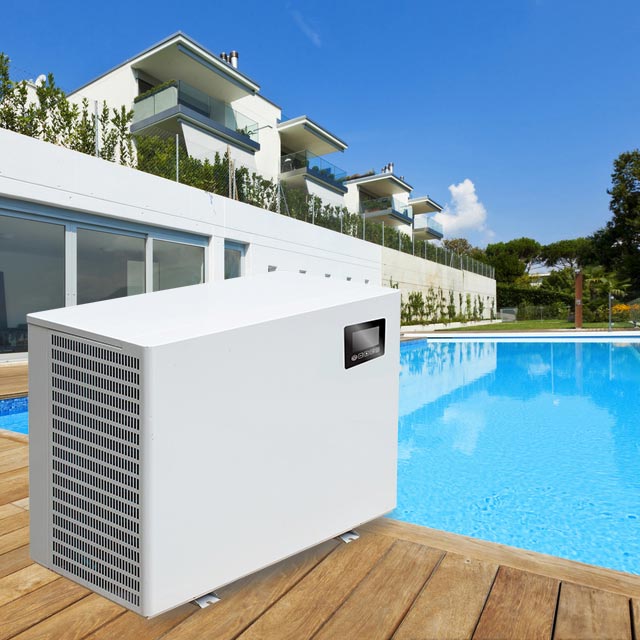
Hybrid systems produce surplus electricity that can be redirected into thermal storage and heating systems. Instead of wasting excess renewable electricity, you can channel that energy into a domestic heat pump water heater, warm indoor spaces, or cool the home with energy-efficient heat pumps.
There are numerous challenges of being directly connected to the power grid, and amongst them is electricity transmission losses and power interruption. But homes equipped with wind and solar energy domestic systems can continue operating critical appliances without worrying about the amount of electricity transmitted or how often there’s power grid failure.
The wind-solar energy for homeowners solution helps to reduce strain on battery storage. Since energy generation is more consistent across different weather conditions, batteries experience fewer deep discharge cycles. This ultimately extends battery lifespan and erases additional expenses.
Hybrid systems open the door to advanced monitoring software that allows you to track energy production, storage levels, and household consumption in real time. You can even program the software to prioritize when to store electricity, when to power appliances, and when to redirect excess energy toward heating/cooling systems.
Residential green energy is becoming increasingly attractive to modern home buyers looking for apartments with lower utility costs and long-term energy security. A property with integrated solar, wind, battery storage, and heat pump systems often stand out in the housing market. The resale value is usually high.
When discussing green energy apartments solutions, many people focus solely on electricity generation, mentioning only solar and wind technologies. They forget the bigger picture: how the energy generated is consumed.
Heating and cooling often consume the largest share of household energy. Furnaces, boilers, and electric resistance heaters consume enormous amounts of power. As a result, many clean energy homes still fail to achieve true energy efficiency. This is why heat pumps are promoted as the foundation of any renewable energy home.
Unlike conventional heating systems that create heat through combustion or electrical resistance, heat pumps transfer existing heat from one place to another. This process requires far less electricity while delivering significantly greater performance.
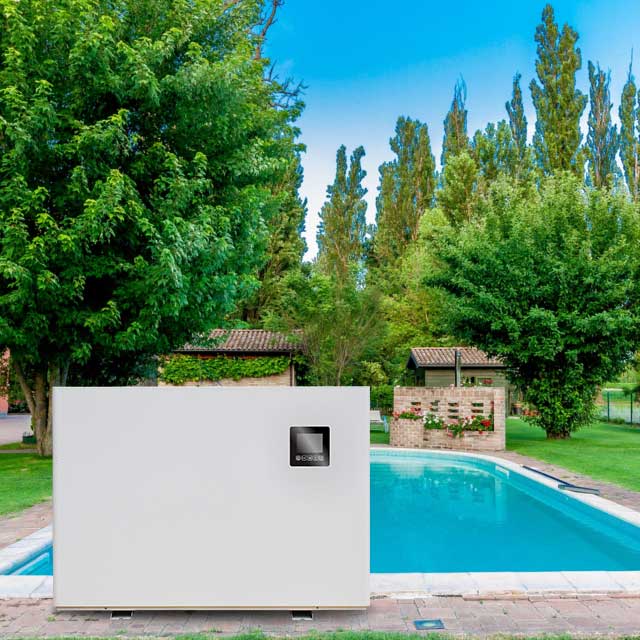
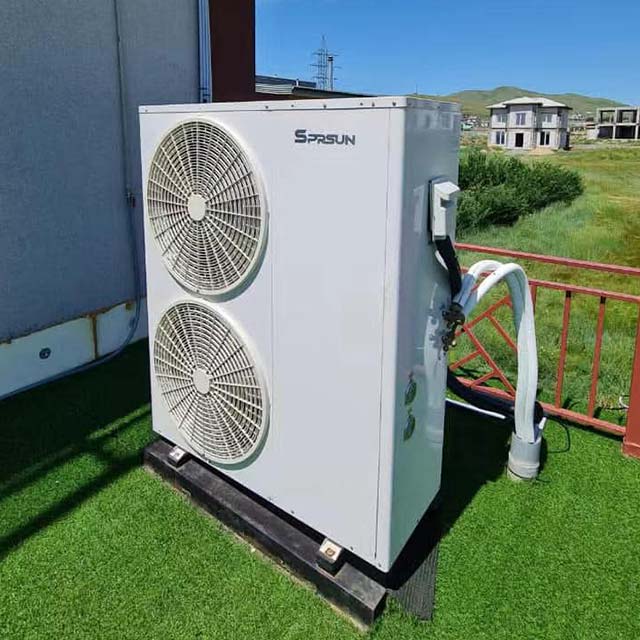
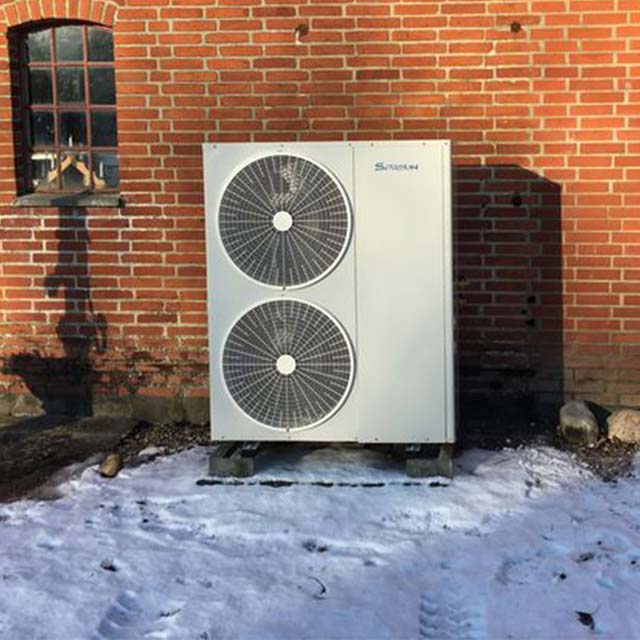
An air source heat pump, for example, works by extracting heat from outdoor air and transferring it indoors during colder months. During warmer seasons, the system reverses the process to provide cooling. Instead of investing in a traditional furnace and air conditioner separately, a heat pump performs both functions.
Heat pumps’ efficiency is mind-blowing. In many cases, they can deliver 3-4 units of heat energy for every unit of electricity consumed. That multiplier effect makes them one of the most important technologies for renewable energy at home.

When integrated into a hybrid renewable setup, heat pumps become even more powerful. Imagine a home equipped with solar panels, wind turbines, battery storage, and thermal storage systems. During high energy generation periods, surplus electricity can be redirected into the heat pump. The heat pump then converts that electricity into heating, cooling, or hot water at an extremely efficient rate.
Heat pumps also support thermal energy storage. Instead of storing only electricity inside battery storage, you can also store heat energy in insulated water tanks. This stored heat can later be used for space heating or domestic hot water solutions, thereby reducing every time pressure on the power source.
Generally, heat pumps improve the economics of green energy homes. They maximize the usefulness of every kilowatt-hour generated by renewable systems. You cannot have reliable renewable energy for apartments while still relying on fossil-fuel-based heating systems. You have to replace them with heat pumps.
It’s only with heat pumps that you can unlock the full potential of your renewable energy in homes. They are the central engine that allows the entire renewable energy for homes to function efficiently.
Building a sustainable home is no longer a futuristic dream reserved for a certain set of people. Everyone now has access to practical technologies that make renewable energy for home more affordable and scalable than ever before.
By combining solar panels, wind turbines, battery storage, and advanced heat pump systems, you can create resilient energy ecosystems. More importantly, heat pumps allow you to maximize every unit of renewable electricity generated.
The future of the clean energy home is not about relying on one technology alone. It is about integration. Homeowners who embrace hybrid renewable systems and modern heat pump solutions today will be better prepared for a cleaner, smarter, and more energy-independent future. Take action now. Contact a trusted Chinese heat pump manufacturer to get the best heat pump system for your household needs.