Views: 0 Author: Site Editor Publish Time: 2026-08-28 Origin: Site
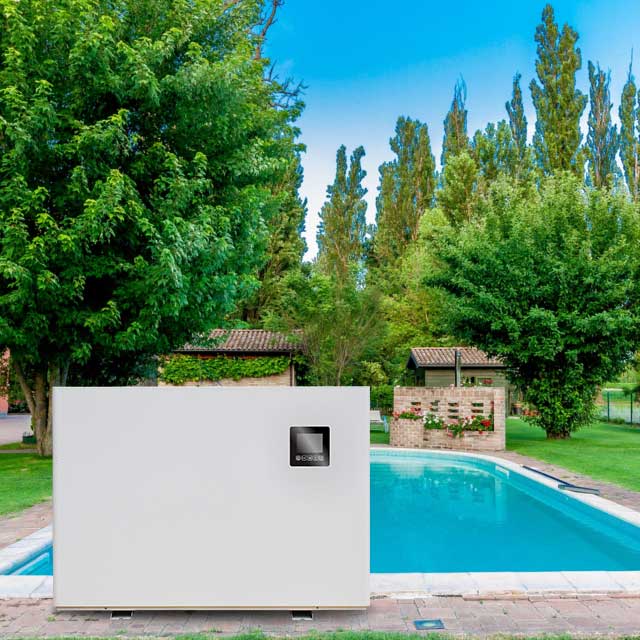
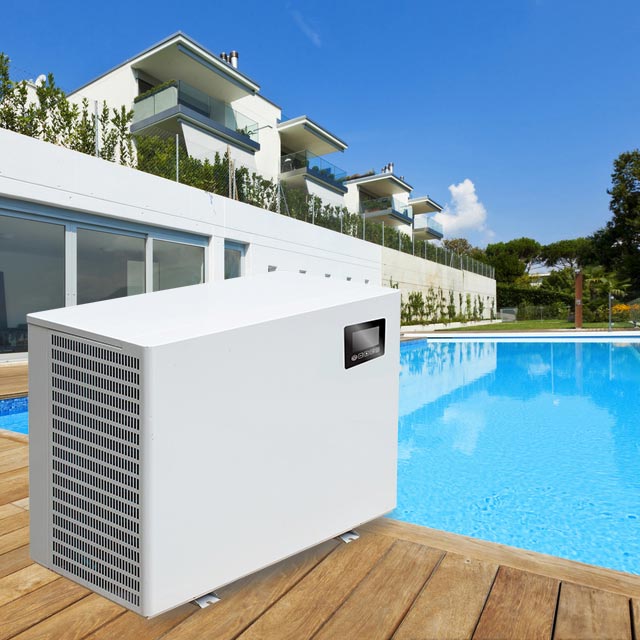
Summer is coming - and so is the annual scramble to get pools ready. There’s something special about that first dive into clear, perfectly warm water. Swimming is one of life’s simplest pleasures—low-impact exercise, family fun, and a natural stress reliever all rolled into one. The only downside? For most pool owners, the season feels painfully short. A pool heat pump changes that completely. By capturing warmth from the surrounding air and transferring it gently into the water, a heat pump can keep your pool at a comfortable temperature from early spring right through late autumn—effectively doubling the time you can enjoy it. As this technology grows more efficient and affordable, the dream of a longer swim season is becoming a reality for more people every year.
Whether you’re exploring the idea for yourself or helping others make the switch, we have compiled and summarized the most frequently asked questions about purchasing pool heaters into a comprehensive user guide. Designed to provide clear and practical insights, this guide helps customers quickly understand pool heaters, make informed decisions, and find answers to their most common questions with ease.
A gas pool heater generates heat by burning fuel, typically operating at an efficiency of around 80–95%. But a pool heat pump does not create heat directly. Instead, it transfers ambient heat from the air into the pool water, allowing it to achieve a Coefficient of Performance (COP) of approximately 5.0–7.0 or even higher. This means a heat pump can produce 5–7 units of heat energy for every 1 unit of electricity consumed.
As a result, heat pumps consume far less energy to maintain the same pool temperature, especially during moderate outdoor conditions common throughout much of Europe.
A heat pump costs more upfront but pays for itself in 2–3 seasons through dramatically lower running costs for regular swimmers.
Over a 10-year ownership period, the total operating cost difference can become substantial:
10-Year Ownership Estimate | Pool Heat Pump | Gas Heater |
Initial Equipment + Installation | €4,500–€7,000 | €2,700–€5,500 |
Estimated 10-Year Energy Cost | €3,000–€5,400 | €10,800–€19,200 |
Estimated Total Ownership Cost | €7,500–€12,400 | €13,500–€24,700 |
*The pricing information above is intended as a general reference only. Prices may vary by country and region; please refer to local conditions for specific details.
Extremely high Energy efficiency compared to gas heaters.
Cost savings over time.
Environmentally friendly heating options.
Year-round swimming possibilities.
Comfort benefits (consistent temperature, gentle heating).

COP (Coefficient of Performance) measures how efficiently a heat pump converts electricity into pool heat. Higher COP = lower running costs.
COP is the ratio of heat output to electrical input. A heat pump with COP 6 delivers 6 kW of heat for every 1 kW of electricity consumed—that’s 500–600% efficiency. Compare that to a gas boiler at ~90% efficiency (COP ≈ 0.9), and the difference is stark.
Modern efficiency tiers:
Standard on/off heat pump: COP 5–7
Full inverter heat pump: COP up to 20 ~ 26(under ideal conditions)
Gas/propane heater: COP ~0.9 (effectively less than 100% efficient)
Inverter technology is the key point here. An inverter-driven heat pump with COP 6 uses up to 80% less energy than a gas heater and 30–50% less than an older fixed-frequency heat pump for the same heat output. The compressor automatically adjusts speed to maintain the target temperature rather than cycling on and off, which saves energy and reduces wear.
Otherwise, Look for units operating range rated for –15°C to 43°C ambient temperature to ensure year-round reliability. However, for maximum energy efficiency, the optimal operating temperature range is 15°C to 35°C.
Far from it. Modern pool heat pumps can heat, cool, or automatically adjust the pool temperature to the optimal level based on the ambient temperature.
Match certifications to your target region; prefer R290 or R32 refrigerant for better efficiency and lower environmental impact.
If you’re importing or distributing across multiple markets, compliance is non-negotiable. The baseline requirements by region:
Europe: CE marking
North America: UL listing
Australia/New Zealand: AS/NZS compliance
On the refrigerant side, R290 is now the industry standard, replacing older R410A systems.
R290 offers a significantly lower Global Warming Potential (GWP=0.02(100 yeas) vs. R410A’s ~2,088), better energy efficiency, and lower refrigerant charge volumes.
Additional technical certifications worth specifying:
Hermetically sealed, factory-tested units to prevent refrigerant leaks
IP65-rated electrical enclosures for outdoor durability and water/dust resistance
Pool heat pumps must be installed outdoors in a well-ventilated area to prevent air recirculation, which kills efficiency.
Key clearance and placement rules to share with installation teams:
Surrounding clearance: specific installation requirements may vary depending on the unit’s air intake and exhaust configuration. For example, the exhaust side must be at least 1.5 meters from the wall, and all other sides must be at least 0.7 meters from the wall.
Distance from pool edge: Typically 3.5 m minimum to the water’s edge (safety), and no more than 7.5 m to minimize heat loss through long pipe runs.
Surface: Must be installed on a flat, level surface. The unit’s adjustable feet should be used to ensure stability.
Chemical exposure: Never install close to harsh or corrosive chemicals (chlorine storage, acid tanks).
Condensation: Heat pumps produce significant condensation during operation—this is normal, not a leak.
Specifier tip: If you’re designing a commercial pool plant room, factor these clearance and ventilation requirements into the layout early. Retrofitting is always more expensive.
Depending on the model and capacity, pool heat pumps can be used in a variety of settings, ranging from private pools in single-family homes or small-to-medium-sized hot tubs to medium-to-large commercial pools in hotels, apartment complexes, and spas.
A typical 50 m³ (≈13,200-gallon) residential pool in a mild climate needs a 14–19 kW heat pump to maintain comfortable swimming temperatures. For a 50,000-litre commercial pool, an 18 kW electric heat pump is generally recommended as a starting point.
Three factors that can shift sizing up or down:
Pool cover: Using a thermal cover can slash heat loss by up to 70%, meaning you can specify a smaller unit or guarantee significantly lower running costs for your client.
Wind exposure: Unprotected, windy sites lose heat much faster—consider bumping up one size tier.
Usage pattern: Daily-use commercial pools need more heating power and faster recovery than a backyard pool heated only on weekends.
If you need a more accurate and detailed guide to selecting a pool heat pump, please contact the SPRSUN sales team.


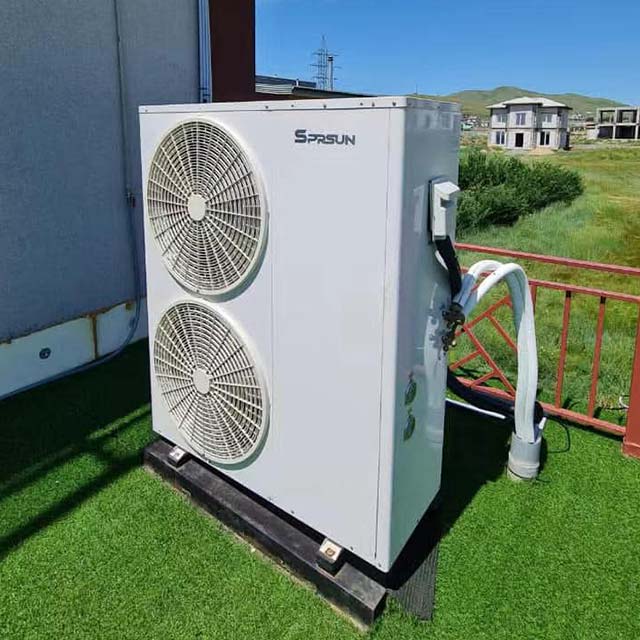
Customer Case Studies: The SPRSUN Ocean Series Pool Heat Pump are perfectly suited for use with the big Spa of 1,800-liter(normally increase 1 degrees pr hr. - -12 degrees pr hr in 8 degrees outdoor).
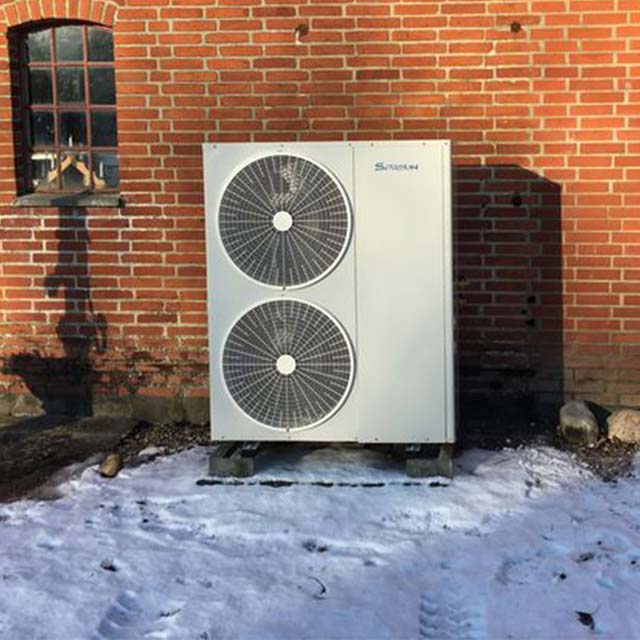
The SPRSUN’s pool heat pump is equipped with AI-powered automatic defrosting, which intelligently determines when to defrost and performs the process quickly, ensuring normal operation even in low-temperature environmental conditions.
When starting the pool heat pump for the first time, it is generally recommended to turn it on 24 to 48 hours in advance.
Yes. However, in winter, when the ambient temperature drops below 0°C and the pool is not in use, the water in the pipes must be drained. If usage is infrequent, the unit should not be shut down for extended periods; instead, it must be started daily to circulate water or activated in anti-freeze mode. The primary purpose of these measures is to prevent water pipes from freezing and bursting at low temperatures and to protect the compressor.
You can use the following formula for a rough estimate:
Unit power rating × 24 hours = Electricity consumption (in kWh)
Yes.
Typically, the manufacturer’s manual includes information on common error codes and troubleshooting steps, so users can refer to it for guidance.
Yes, the pool unit's casing meets the IPX4 waterproof rating, fully satisfying the requirements for normal outdoor installation.