Views: 28 Author: Site Editor Publish Time: 2026-05-29 Origin: Site
To prevent catastrophic global warming, there is an urgent need for rapid decarbonization and net-zero emission. The power sector, being the largest contributor to global greenhouse gas emissions, is at the forefront of this battle. Governments, corporations, and energy providers around the world are increasingly drifting from the era of burning fossil fuels for energy generation to more sustainable and renewable energy innovations.
The rapid evolution of this group of new green energy technology is driving a major paradigm shift, offering viable energy solutions to various industries and transforming economies worldwide.

For a long time now, electricity has been produced at large power plants and sent over long-distance transmission lines to consumers. This system functioned reliably for many years, but recently, its shortcomings have become unavoidable. These challenges gave rise to the search for smarter and renewable energy innovations.
In this section, we take a look at the global landscape of current power technologies and why traditional grids are being upgraded. We also highlight some major green energy innovations and explain how these emerging energy technologies are paving the way for better electrification of homes and industries.
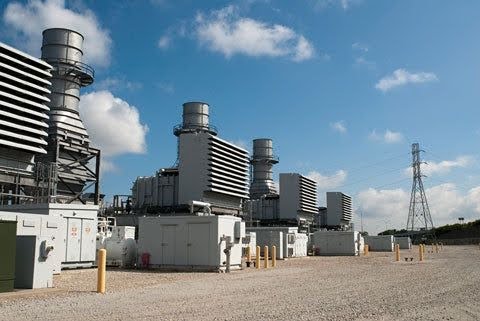
The world’s energy demand is on a steady increase, with electricity leading the way. But traditional power systems have failed to meet these demands. These systems make use of huge power plants to burn coal or gas and generate electricity. If one of these plants fails, a whole region can lose power at once.
Furthermore, these power plants release large amounts of harmful gases and dirty smoke into the atmosphere. This pollutes the air, contributes to climate change, and increases global warming.
Electrification trends across various industries such as transportation, manufacturing, and digital infrastructures, are also placing enormous pressure on traditional power grids. New inventions like electric vehicles, smart homes, and high-tech factories all require more flexible and intelligent energy distribution strategies than these traditional systems can’t provide.
Some recent innovations in sustainability renewable energy have however helped to improve how electricity is generated, stored, and distributed. Let’s take a look at some of them below.
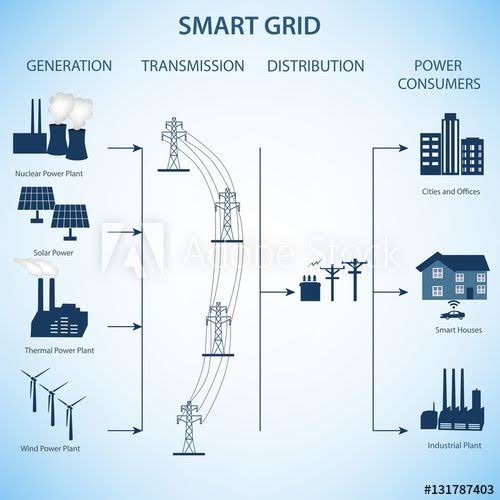
The invention of smart grids is one of the most important breakthroughs in the green energy era. This technology incorporates digital tools, communications networks, automated systems, and advanced analytics to facilitate real-time exchange of information between energy providers and consumers.
Unlike traditional grids, smart grids respond quickly to changes in energy demand and supply, reduce waste or power overloads, and empower consumers with better control over their energy consumption.
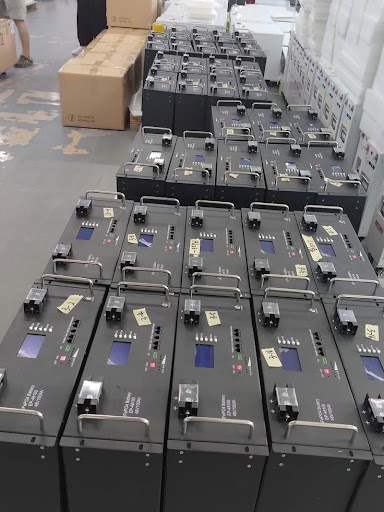
One major problem with the traditional power system and even earlier renewable energy solution was the inability to store extra electricity. They often produce more power than needed at certain times, and less power at other times.
However, modern battery systems like lithium-ion, solid-state, and flow batteries help solve this problem. These new energy solutions store excess energy when production is high and release it later when energy demand increases or production drops. This ensures every home, businesses, and industries have access to reliable power.
Artificial intelligence is also improving how renewable energy is managed. Special AI tools are used to study large amounts of energy data and help power systems work more efficiently.
These tools can predict when electricity demand will rise or fall. They can also detect equipment faults early before they cause major failures or blackouts. More advanced AI systems even have the ability to automatically distribute energy, directing it to areas where it is needed most.
By leveraging this group of new technology green energy, the power sector can convert fragmented green energy into a highly reliable, scalable, and commercially viable infrastructure.
Smart grid technology, for example, changes how electricity travels. Instead of just flowing one way (from power plants to homes, businesses, and factories), energy and data can now flow both ways simultaneously. This means the grid can constantly monitor how much electricity people are using and how much power is available. It can quickly adjust when demand increases or when energy supply changes.
For instance, if one area suddenly needs more electricity, the system can redirect power automatically. This helps prevent overloads, reduces waste, and keeps electricity supply more stable.
Next-generation storage systems, on the other hand, act as giant bank accounts for electricity. Older batteries could not hold enough power for entire industries, causing them to still rely on fossil fuels when renewables dipped. But this set of new batteries can capture large amounts of excess green energy during sunny or windy hours, save it, and release it whenever facilities need it most—ensuring operations run cleanly around the clock.
AI optimization tools act as the automated brain of this entire system. They constantly monitor electricity usage, weather conditions, and energy production in real time. The system can therefore predict when solar and wind power may drop or when electricity demand may spike and adjust automatically before problems happen.
Because many of these decisions are handled automatically, power is generated and distributed faster, more accurately, and more efficiently.
Many pioneering companies across the globe are already implementing these renewable technology solutions and using it to tackle power supply volatility.
Energy leaders like NextEra Energy and Iberdrola use AI to forecast electricity demand and weather changes. They anticipate drops in energy generation hours before it happens. This allows their systems to automatically reroute power and prevent blackouts.
Similarly, multinational energy giants like Enel and National Grid plc, combine smart meters with large-scale battery energy storage systems (BESS). When renewables produce excess power during sunny or windy peak hours, automated platforms divert the surplus into these massive industrial battery reserves for later use.
Siemens Energy is also implementing smart grid technologies that monitor electricity flow in real time. These systems can quickly adjust energy distribution, reduce waste, and prevent overloads when renewable power generation changes suddenly.
Other companies like Google, Tesla, and Orsted also make use of these energy technology solutions to ensure steady power supply for their operations.
The demand for cost-efficient, renewable energy solutions is growing quickly as energy costs continue to rise. Nobody wants to pay extravagant fees for unreliable electricity no more. Businesses and governments around the world are also under pressure to reduce carbon emissions and meet net zero targets.
Therefore, high-energy consuming industries like the manufacturing, transportation, real estate, and data center industries are investing more in renewable technologies.
They are going for integrated systems that combine renewable energy generation, storage, smart grid connectivity, and AI-driven energy management. These complete solutions help to optimize electricity consumption, reduce dependence on volatile fossil-fuel markets, and offer high environmental ROI.
As more innovation in renewable energy are discovered, this demand is expected to increase across both developed and emerging economies.
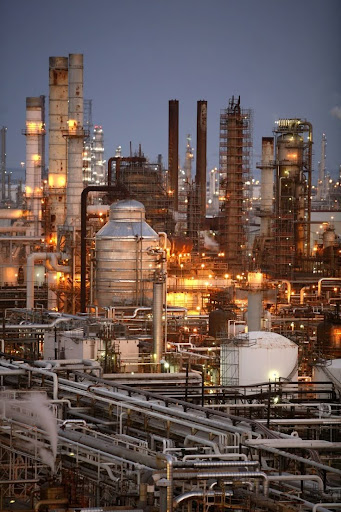
Heavy industries like the manufacturing, mining, transportation, and chemical production industries, have for a very long time relied heavily on fossil fuels because of their high energy demands and continuous operational requirements. However, with the advent of customized energy technology solutions, they can now power their factories with renewable solutions designed for their own unique operational demands.
Manufacturing facilities, for instance, may combine on-site solar generation, battery storage, and AI-driven energy management systems to stabilize electricity during production cycles. Mining operations can also adopt hybrid renewable microgrids to reduce diesel dependence in remote locations.
Advanced electrification technologies like green hydrogen or industrial heat pumps can also help these industries replace their traditional combustion-based processes.
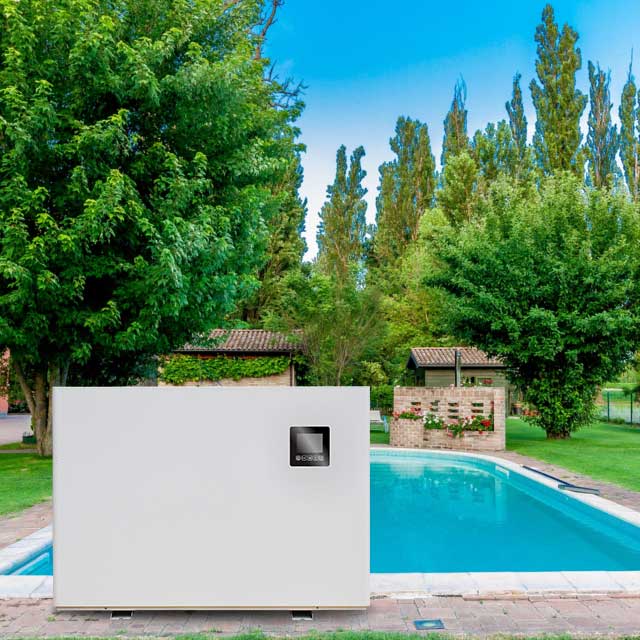
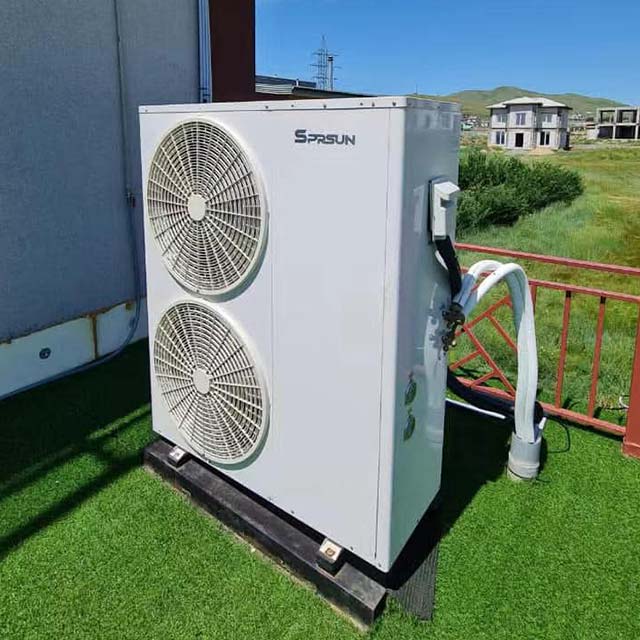
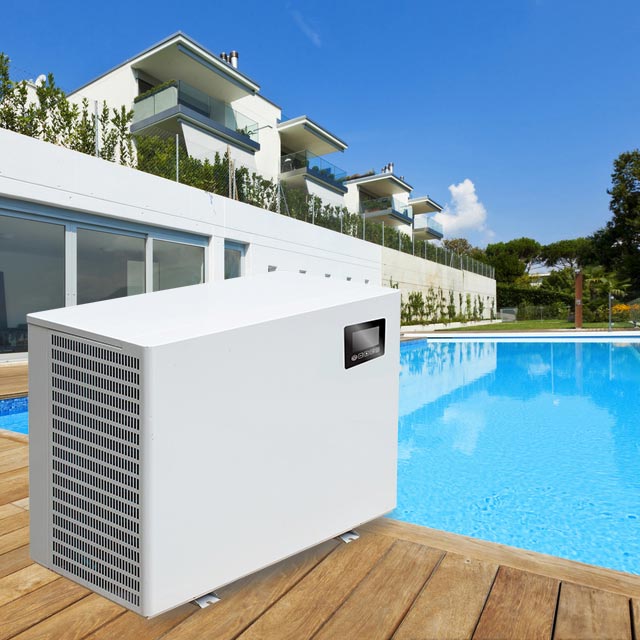
While global discussions around renewable energy often focus on large-scale infrastructure such as solar farms, offshore wind projects, and smart grids, the transition to a low-carbon economy also depends on practical technologies that can deliver immediate results across commercial and industrial operations. One perfect example is the heat pump technology.

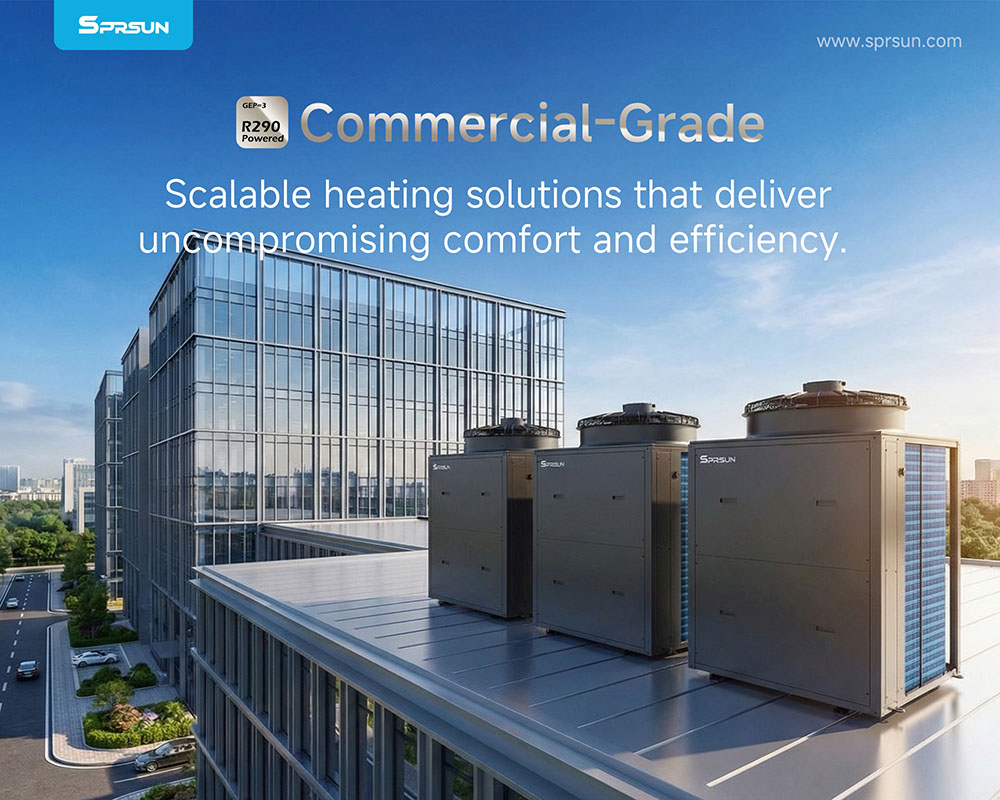
Source: SPRSUN
Once viewed primarily as a residential heating and cooling appliance, what is a heat pump has evolved over the years and is slowly becoming one of the most impactful sustainable energy solutions available for large-scale decarbonization.
Here are some of the ways commercial and industrial heat pumps leverage the latest green energy technology to replace fossil-fuel boilers.
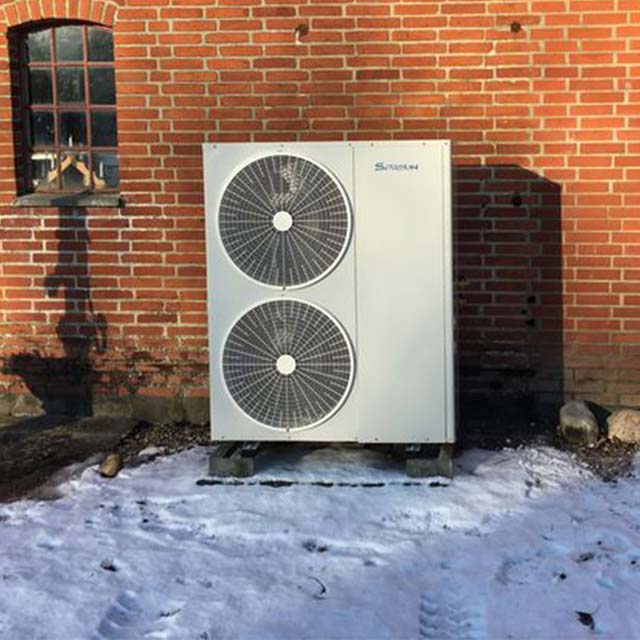
Heat pumps harness the thermal energy naturally present in ambient air, even in very cold temperatures. They use refrigerants and compressors to extract this energy, concentrate it, and deliver it at a higher temperature suitable for heating water or air inside facilities.
Unlike fossil-fuel boilers, which burn gas or oil to generate heat, air-source heat pump simply move existing energy, making them far more efficient. This process reduces greenhouse gas emissions, lowers operational costs, and also aligns with renewable energy sustainability goals.
Industrial heat pumps can also tap into the relatively stable temperature of the earth by circulating fluid through underground pipes. This allows them to capture consistent thermal energy regardless of seasonal fluctuations. The heat is then upgraded through compression cycles to meet industrial heating demands.
This method is particularly effective for large-scale operations like manufacturing plants, food processing, or district heating systems, where continuous and stable heat supply is very important.
Another innovation of renewable energy that heat pumps exhibit is the ability to capture waste heat from industrial processes, ventilation systems, or cooling equipment. Instead of letting this energy dissipate, heat pumps recycle it, boost its temperature and make it usable for space heating or hot water production.
This closed-loop approach drastically improves its energy efficiency, often achieving 3-5 coefficients of performance (COP). This means three to five units of heat are delivered for every unit of electricity consumed by the heat pump. Fossil-fuel boilers cannot achieve this level of efficiency, as they rely on combustion, which inherently wastes energy.
Heat pumps are powered by electricity, which can be sourced from renewable energy sources like the sun, wind, or water. They are therefore referred to as zero-carbon heating solutions.
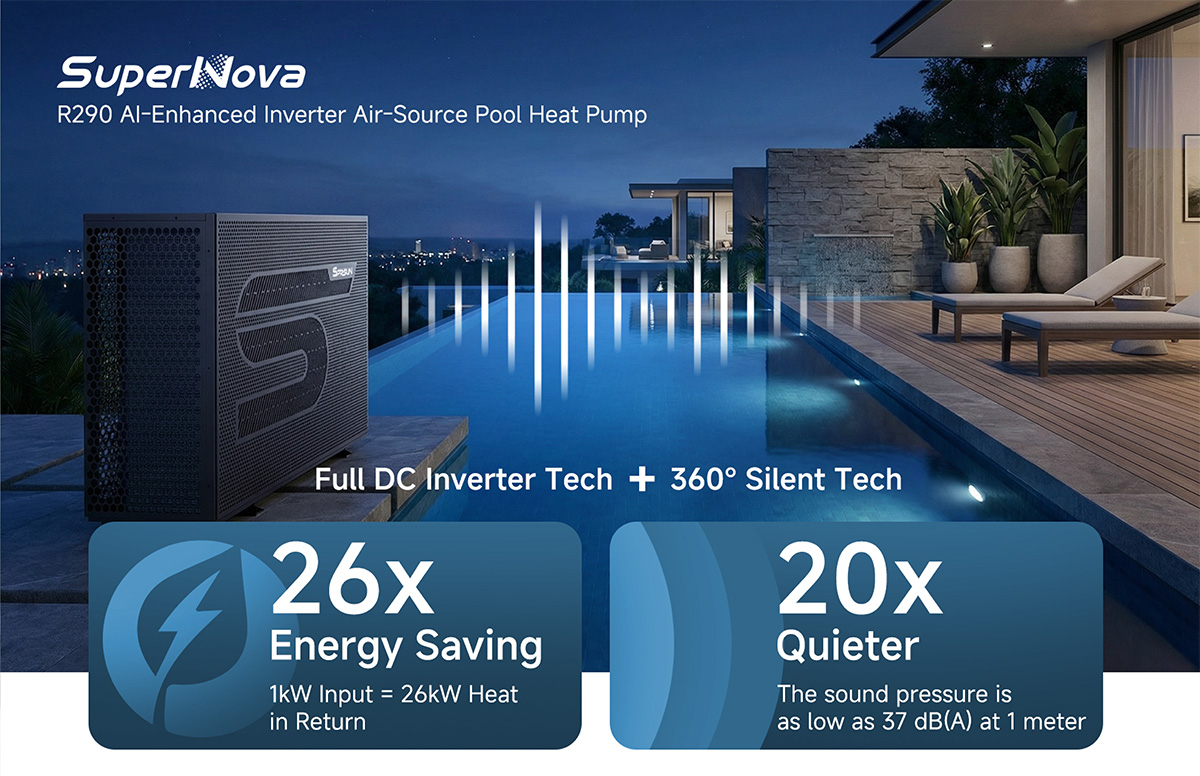
Furthermore, modern commercial heat pumps like the R290 heat pump, are equipped with the latest green energy technology like AI-driven monitoring and smart grid integration. These systems can automatically optimize heating performance based on weather conditions, occupancy levels, and energy demand.
These features allow industries to reduce their energy usage during off-peak times and reduce costs. Fossil-fuel boilers, on the other hand, lack this adaptability, as they operate on fixed combustion cycles.

A heat pump or heat pump water heater can be paired with thermal storage systems, so as to store excess heat when renewable electricity is abundant or cheap. This stored energy can then be released during peak demand periods, ensuring a steady supply of heat without relying on fossil fuels.
By eradicating heat production due to immediate demand, facilities gain flexibility, reduce strain on the grid, and maximize the efficiency of their renewable energy use. Fossil-fuel boilers, by contrast, must burn fuel continuously to meet demand, as it has no comparable storage capability.

Modern industrial heat pumps are capable of delivering high-temperature outputs (up to 140-180°C), making them suitable for processes like food sterilization, chemical production, and paper manufacturing. Advanced refrigerants and multi-stage compression cycles allow these systems to reach temperatures once thought achievable only through combustion.
Together, these innovations show how heat pumps are the central technology in the global transition to secure and sustainable heating. When upgrading, ensure you choose a reputable heat pump manufacturer whose products guarantee efficiency, reliability, and sustainability.
The interconnected web of renewable energy innovations is reshaping the global energy landscape into a more cohesive and resilient system. Each breakthrough reinforces the other, creating a scalable, reliable, and cost-efficient infrastructure capable of powering economies sustainably.
To remain competitive and compliant with future regulations, businesses and policymakers must act fast. Invest heavily in the latest green energy technology today to secure a cleaner and more profitable tomorrow.