Views: 18 Author: Site Editor Publish Time: 2026-05-28 Origin: Site
The world is moving toward cleaner energy faster than ever before. Governments, businesses, and even homeowners are heavily searching for green energy products to reduce pollution, energy costs, & fossil fuels usage.
Today’s market is filled with countless renewable energy things that seem to be a solution, but not all of them deliver optimal performance. Thus, everyone needs to pay attention to certified, highly-efficient products that can perform optimally and last the test of time.
In this guide, we will explore the latest renewable energy products that are redefining efficiency limits and shaping the future of power generation.
Wind energy has come a long way over the years. Formerly, when people think about it, all they see are huge wind turbines spinning in open fields or out at sea. But today, the new wind energy technology is smarter, quieter, and much more efficient.
Unlike before when wind turbines were only installed in rural areas, companies are now developing smaller, more flexible products that can be installed in cities, residential areas, commercial buildings, and places that don’t have high wind current.
This is a major breakthrough because it means places that were once considered unsuitable for wind energy can now support localized renewable energy projects. It helps communities generate electricity closer to where it is used and reduce energy loss during transmission.
Horizontal-axis wind turbines have dominated the renewable energy industry for decades. These systems are highly effective in open landscapes and offshore environments where strong, consistent wind currents are available. However, they come with their limitations.
They usually require large installation areas, high wind speeds, and complex infrastructure support. Their performance often drops in densely populated urban areas or regions with variable airflow patterns. This challenge has encouraged engineers to explore alternative renewable energy things that can generate power more effectively under severe conditions.
Modern energy projects are now focusing on adaptable systems that operate efficiently in smaller spaces while reducing operational and environmental concerns. This transition is driving the development of advanced renewable energy machines that are capable of delivering stable electricity production even in lower wind conditions.
Some of the new wind energy technology projects are:

Traditionally, wind turbines are designed to spin horizontally, but VAWTs are different. They spin vertically and can catch wind from multiple directions at the same time. This makes them useful in crowded urban areas where wind patterns constantly change because of tall buildings and other structures.
Also, their size and noise level are revolutionary. VAWTs are usually smaller and quieter. They are easier to maintain thanks to many of their important components that are located closer to the ground.

Instead of using large spinning blades that require strong wind, new renewable energy machines, such as bladeless wind generators use a stationary mast that moves in response to wind currents. As the wind flows around the mast, it creates vibrations. These vibrations are captured and converted into mechanical energy, which is then used as electricity.
Bladeless wind generators are quieter, require less maintenance, and reduce some of the concerns linked to the larger spinning blades, like noise and bird collisions. Even though this technology is still developing, many experts believe bladeless systems are an important part of a sustainable future, especially in urban environments where space and noise level matter.

Offshore wind farms are also improving rapidly. Modern offshore clean energy projects use smarter technology to improve efficiency and reduce maintenance costs. For example, many offshore turbines now include sensors and AI-powered monitoring systems that track performance in real time. This helps operators detect problems early and keep the systems running smoothly.
Some companies are also using floating wind turbines that can operate in deeper waters. This opens up more areas for renewable energy production and allows for the generation of larger amounts of clean electricity.
The primary goal of the latest wind energy technology is to generate more power using less space and less wind. Modern wind systems are not just mechanical anymore – they are becoming digital too. Many renewable energy devices now use smart software and sensors to monitor wind speed, weather conditions, and energy production.
The solar technology used today isn’t like it used to be years ago. Instead of simply placing solar panels on rooftops and hoping for the best, the industry is entering a new era driven by precision solar renewables. It’s an advanced approach that’s focused on maximizing sunlight capture and improving conversion efficiency.
Traditional solar panels already helped millions of people reduce electricity costs and rely less on fossil fuels. But modern solar systems are taking things much further. They generate more electricity while using less space.
Traditional solar systems relied primarily on silicon photovoltaic (PV) panels that converted sunlight into electricity through semiconductor materials. While these systems remain widely used, they commonly face challenges involving efficiency limitations, heat sensitivity, and subpar performance under severe environmental conditions.
Modern solar products are addressing these challenges through advanced material science and smart engineering. Manufacturers are now focusing on systems capable of generating more electricity from the same amount of sunlight while also improving durability.
Some of the precision solar renewables products are:

These are advanced solar materials that can absorb sunlight very efficiently. Compared to traditional silicon panels, perovskite solar cells can be manufactured using simpler and less expensive methods.
Another advantage is their flexibility. These cells can be produced in lightweight and semi-transparent formats, which means they can be used on windows, curved surfaces, portable devices, and building materials. Because perovskite materials absorb a broader spectrum of light, they can continue generating electricity even under cloudy or low-light conditions.

Unlike conventional solar panels that absorb sunlight only from the front surface, bifacial systems collect energy from both sides of the panel. The rear surface captures reflected sunlight bouncing from the ground or surrounding surfaces, thereby increasing total energy generation throughout the day.
The innovation makes bifacial panels particularly effective in environments with highly reflective surfaces, such as snow-covered areas, desert landscapes, or white rooftops.

One of the biggest limitations of older solar installations was that the panels stay in one position throughout. This meant they could only capture optimal sunlight during certain hours of the day, reducing overall efficiency.
Modern precision solar renewables solve this issue through solar tracking systems. These systems automatically adjust panel orientation throughout the day to follow the sun’s movement. This helps the panels absorb more sunlight and generate more electricity.
In addition to these notable products, there are other developments like smart inverters, which convert direct current (DC) electricity generated by panels into alternating current (AC) electricity that can be used. Also, there are advanced lithium-ion and solid-state batteries that allow businesses and homeowners to store excess electricity generated during peak sunlight hours for later use.
In recent times, there has been a reduction in prices of solar energy products because more prominent international companies, along with regional benchmarks like orient green power products, are helping to push the industry forward by improving manufacturing quality and making solar systems more affordable.
Generating clean energy is a major step toward sustainability, but it’s only half-way. The remaining work lies in how the energy is used. Even the most advanced solar panels and wind turbines tend to lose their value if the energy they generate is not optimally consumed.
This is where modern heat pump technology comes in. Heat pumps serve as the bridge between renewable electricity generation and efficient real-world consumption.
Unlike traditional heating systems that depend on fuel combustion, a modern heat pump functions as a highly-optimized renewable energy machine that transfers heat from one place to another instead of directly producing it. This distinction is what makes it remarkably efficient and highly compatible with next-generation green energy products.
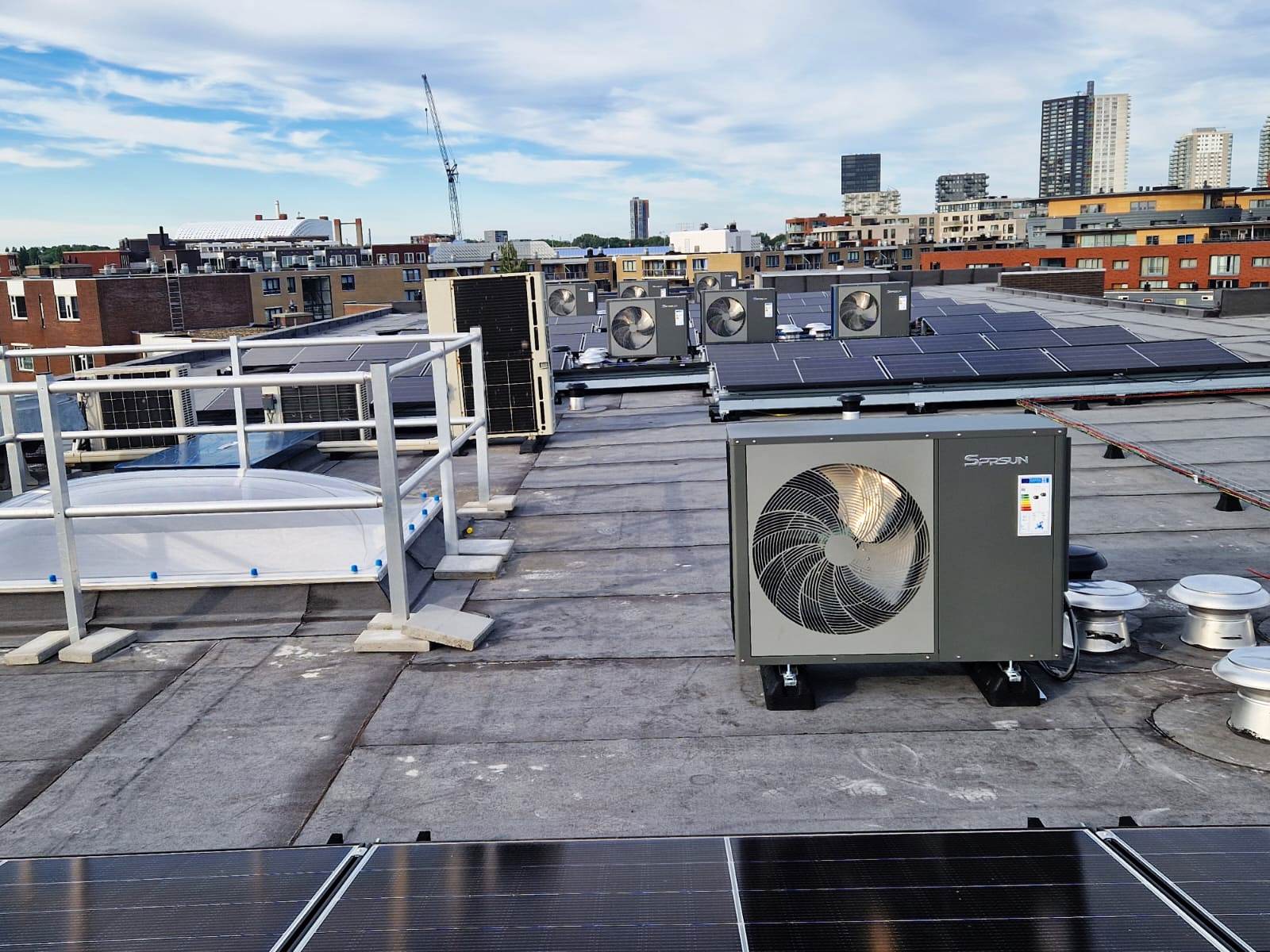
When heat pumps are paired with on-site wind or solar systems, they create a complete low-emission ecosystem that’s capable of reducing both energy costs and carbon output.

At the core, a heat pump heating system operates using a simple but highly effective principle: moving heat rather than creating it.
During colder periods, it extracts heat from the outside air, ground, or water and transfers it indoors. While in warmer conditions, it moves heat from inside the building and releases it outside.
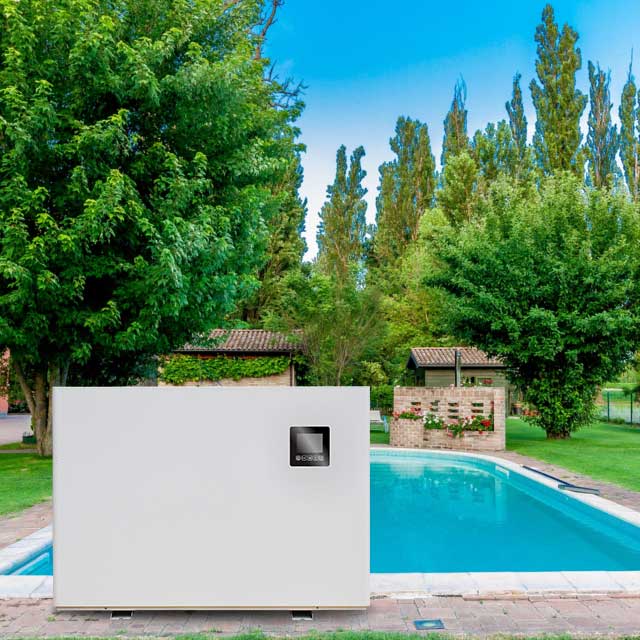
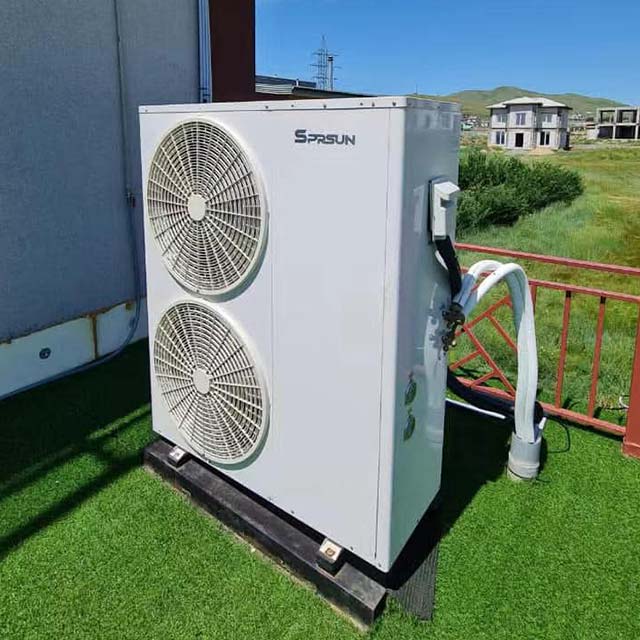
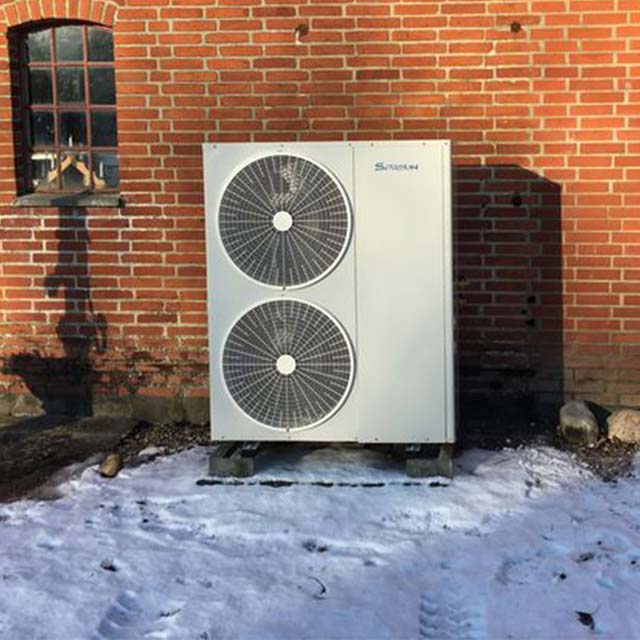
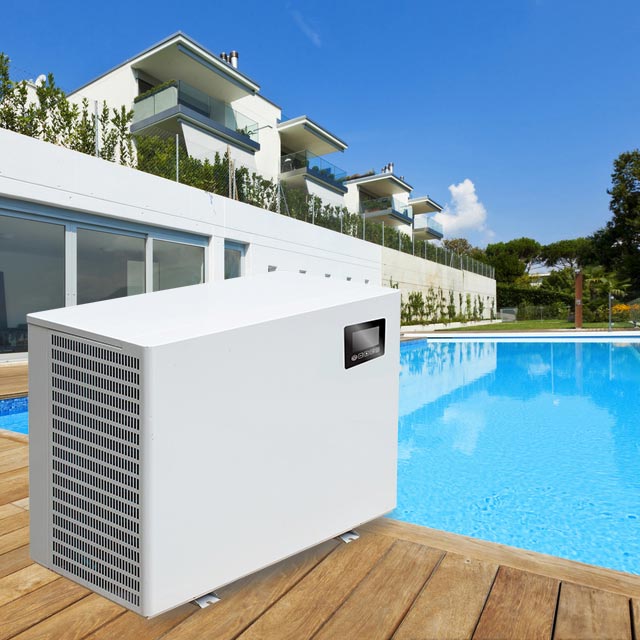
One of the reasons heat pumps, especially modernized systems like the R290 heat pump, are viewed as the ultimate renewable energy device is their incredible efficiency ratio. Instead of generating heat, what these systems do is simply to transfer heat from one place to another, thereby saving a lot of energy. In many cases, a modern heat pump can deliver 3-4 times more thermal energy than the electricity it consumes.
Heating and cooling devices are known to consume a huge chunk of energy generated by wind and solar systems. What heat pumps do is: reduce the amount of energy used and deliver maximum heating/cooling solutions.
Another of their functions is how they optimize energy. For example, during daylight hours, rooftop solar panels may generate excess electricity beyond immediate household need. Instead of sending all surplus power back to the grid, some of that electricity can be used by an air source heat pump to regulate indoor temperatures or store thermal energy for later use.
This synergy creates a highly efficient energy ecosystem where electricity generation and energy consumption operate in harmony.

Beyond indoor climate control, heat pumps are also transforming water heating technology. Traditional water heaters consume substantial amounts of electricity to generate hot water for residential and commercial use. A modern heat pump water heater can significantly improve efficiency by extracting heat from surrounding air and transferring it into water storage systems.
For developers, contractors, business owners, and high-end homeowners that are planning to migrate to renewable energy products, it’s important that you select the right hardware. Below is a practical list of eco friendly products commonly used in modern renewable energy ecosystems:
Advanced wind turbines using latest wind energy technology
Smart thermostats and energy management systems
High-efficiency solar panels and precision solar renewable systems
Smart inverters for energy conversion and monitoring
Battery storage systems for load balancing and backup power
Heat pumps for heating, cooling, and hot water generation
Smart sensors and AI-based energy optimization platforms
High-performance renewable energy machines certified for commercial integration
Energy-efficient insulation and thermal management systems
Combining these renewable energy things into a unified ecosystem allows for greener electricity generation, while cutting down on energy costs and carbon emissions.

The future of clean energy is not solely based on adopting renewable power sources. It also has to do with the selection of certified hardware that can generate, manage, and utilize energy efficiently.
From advanced wind turbines and precision solar renewables to smart heat pump systems, the next-generation green energy products are transforming how energy is produced and consumed.
Among all these technologies, heat pumps stand out for how they maximize energy efficiency and work alongside wind turbines & solar systems. If you’re looking for a modern heat pump solution that pairs seamlessly with other renewable energy systems, reach out to an experienced heat pump supplier today for both your residential and commercial clean energy projects.